Ukraine's reconstruction costs rise to $588 billion — RDNA5 and what it means for security, the economy and households
A joint assessment by the government, the World Bank, the European Commission and the UN finds a 12% increase in needs — we explain why the figure rose and how it will affect real budgets and people's lives.

By Tetiana Suchkova-Ladik
February 23, 2026 · 3 min read
Briefly
According to RDNA5 (as of 31 December 2025), Ukraine’s total reconstruction and recovery needs for the next decade amount to about $588 billion. That is 12.2% more than a year earlier — and almost three times the forecast nominal GDP of Ukraine for 2025. These figures are not abstract: they will determine who pays, which projects are prioritized, and how quickly normal life returns for millions of people.
Who calculated it and what it means
RDNA5 was published on 23 February 2026 as a joint assessment by the government of Ukraine, the World Bank Group, the European Commission and the UN. Such a coalition gives the assessment expert weight — investors and donors look to these figures when making financing decisions.
"This sum is almost three times the forecast nominal GDP of Ukraine for 2025."
— Yuliia Svyrydenko, Prime Minister of Ukraine
Numbers to know
- Total need: ≈ $588 billion (over the next decade)
- Increase year-on-year: +$64 billion (12.2%) compared with RDNA4
- Direct damage: over $195 billion (it was $176 billion in RDNA4)
- Sectors with highest needs: transport — over $96 billion; energy — ≈ $91 billion; housing — ≈ $90 billion; trade and industry — >$63 billion; agriculture — >$55 billion
- Energy: number of damaged/destroyed facilities increased by 21%
- Transport: needs grew by ≈ 24% due to intensified attacks on railways and ports in 2025
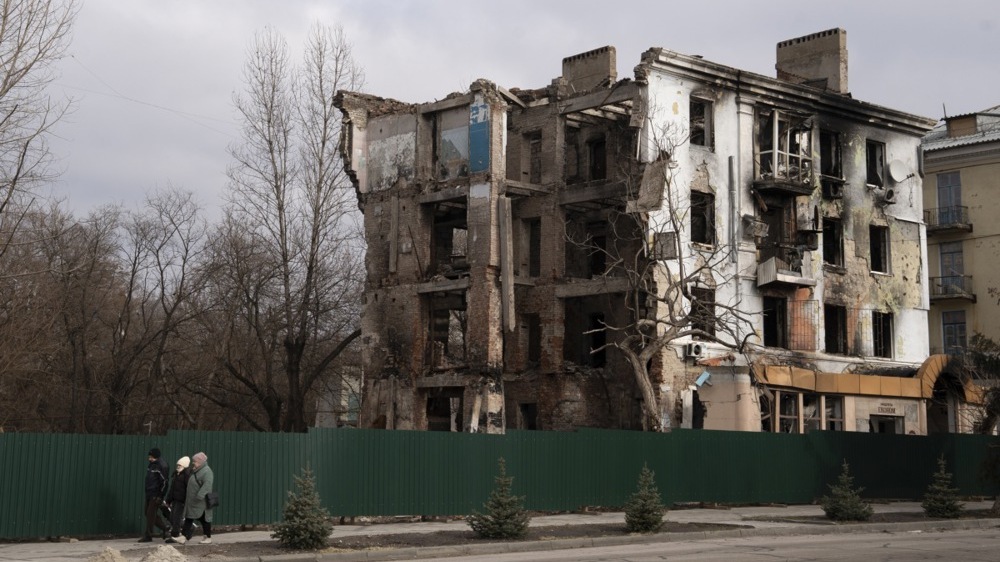
- Housing: 14% of the housing stock damaged or destroyed — more than 3 million households
- Demining and clearance: almost $28 billion in future costs
Why the sum grew
The $64 billion increase is the result of two key factors: first, an escalation of attacks on critical infrastructure in 2025 (especially on energy, railways and ports) increased direct losses; second, the assessment now accounts for more expensive project decisions to boost the resilience of systems (energy, transport, housing) — meaning not only restoring to their previous state but also modernizing them to better withstand future attacks and climate risks.
What has already been done and where funds will go
Since February 2022 at least $20 billion has been directed to urgent repairs and early recovery in housing, energy, education, transport and other critical sectors. For 2026 the government plans a series of programs, including compensation for destroyed housing, deactivation/demining and multisector economic support totaling more than $15 billion.
The government approved 21 projects under the Ukraine Recovery Program III — to restore medical and educational facilities, build shelters and modernize municipal infrastructure in three oblasts. Separately, in November 2025 the EU together with Denmark, Germany, France and Lithuania announced the EU4Reconstruction initiative worth €37 million to support the first steps of reconstruction.
What this means for people and for the state
For citizens — these are not just big numbers: they determine when a roof will be repaired, whether there will be electricity in a home, whether a port that millions depend on will be restored. For the state and partners — it is a challenge to coordinate financing, project decisions and control mechanisms so that funds go to resilient, transparent projects rather than to recurrent expenditures.
Summary
RDNA5 paints a clear picture: the need for resources is growing because risks are growing. The key task now is to turn these assessments into signed contracts, monitored projects and real results for millions of households. Whether donors and the Ukrainian authorities can synchronize quickly will determine how soon recovery will be felt in everyday life.