WEF president resigns over ties to Epstein: a test of trust in global institutions
Correspondence with Jeffrey Epstein prompted Børge Brende's resignation — this is not only an ethical issue, but also a reputational risk for the forum that coordinates investments and policies important to Ukraine as well.

By Tetiana Suchkova-Ladik
February 26, 2026 · 2 min read

What happened
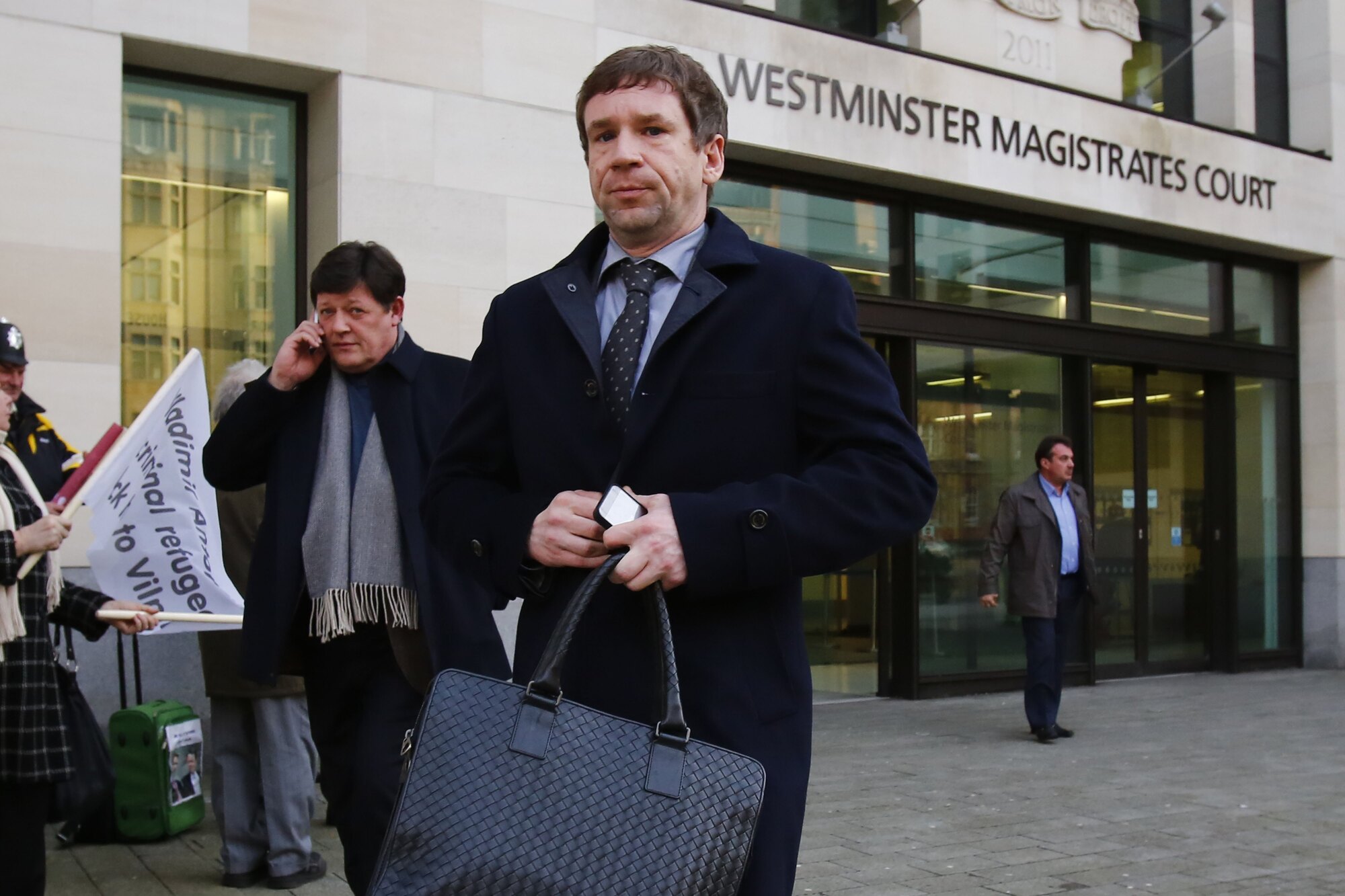
The President and Chief Executive Officer of the World Economic Forum, Børge Brende, announced his resignation, the WEF says. The decision came as a result of an investigation into his ties with Jeffrey Epstein following the publication of documents from the U.S. Department of Justice, Reuters reports.
"After careful consideration I have decided to leave the position of President and Chief Executive Officer of the World Economic Forum."
— Børge Brende, President and Chief Executive Officer of the WEF (until his resignation)
Documents published by the U.S. Department of Justice indicate that Brende met with Epstein three times at business dinners and corresponded with him during a period when Epstein had already been convicted of sexual crimes. WEF co-chairs André Hoffmann and Larry Fink said an independent review did not find any new violations beyond those already known.
Consequences for the forum and trust
This resignation is not just a personnel matter. WEF positions itself as a platform that shapes global economic and investment priorities. The loss or undermining of trust in leadership can slow processes related to attracting investment and coordinating policies that are important for recovery and development, including in Ukraine.
The board of trustees has already begun a search for a permanent successor; duties are being carried out temporarily by Alois Zwinggi. A swift but transparent appointment will be key to restoring reputation.
Context: the "Epstein files" and a chain of resignations
The publication of U.S. Department of Justice materials on January 30 and subsequent disclosures have triggered a wave of resignations in business and governance: among the names mentioned in reports are Goldman Sachs's chief legal counsel Kathryn Ruemmler, DP World chief Sultan Ahmed bin Sulayem, and Hyatt executive chairman Thomas Pritzker. On February 19 in the United Kingdom, former Prince Andrew was detained in connection with allegations referenced in these materials.
What does this mean for Ukraine?
For Ukraine, it is important that international institutions that set the vectors for investment and recovery maintain legitimacy and transparency. Any hit to the reputation of such platforms complicates communication about reconstruction funding and the engagement of private partners. This is a signal to diplomats and analysts: strengthen transparency requirements in formats involving foreign investors and international institutions.
Conclusion
Brende's resignation is a test for the WEF: can the forum convincingly restore trust and continue its role as a center of global coordination. For Ukraine, this is more than gossip about elites — it is a question of access to resources and the quality of the dialogue on reconstruction. The next steps by the forum's leadership and its trustees must be transparent and aimed at reducing reputational risks.