Military levy up 30% in January — UAH 13.8 billion and what it means for the defense budget
Taxpayers paid more: January’s jump in revenues provides a short-term boost to defense funding. We examine why the increase occurred and what the consequences are for the budget.

By Tetiana Suchkova-Ladik
February 23, 2026 · 2 min read
Briefly
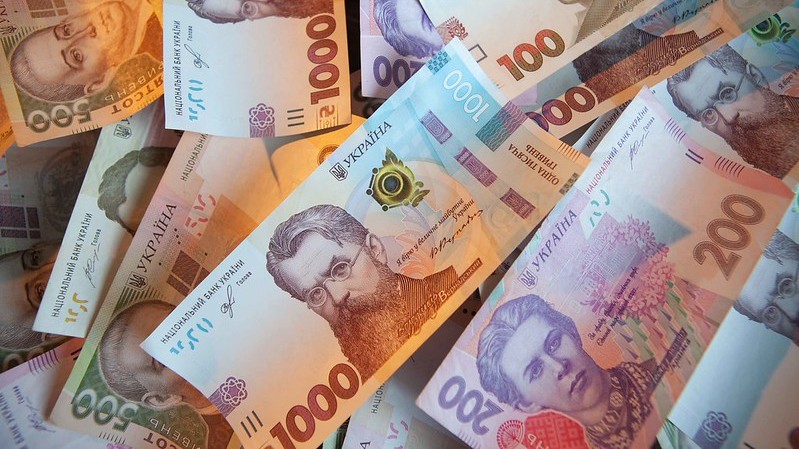
In January 2026 Ukrainian taxpayers transferred UAH 13.8 billion in the military levy — 30% more than in January 2025 (UAH 10.6 billion). Source — the press service of the State Tax Service.
“In January 2026 UAH 13.8 billion in the military levy was paid — that is 30% more compared to January 2025.”
— State Tax Service (press service)
Why
The explanation is straightforward: in October 2024 parliament raised the military levy rate from 1.5% to 5% and introduced new taxation rules for sole proprietors (FOP). The changes came into force on December 1, 2024, so January receipts already reflected their effect.
Besides the higher rate, growth was driven by a broadened base: some third-group FOPs began paying 1% of income, while other groups pay a fixed contribution (minimum around UAH 800). That means more taxpayers and higher average receipts per taxpayer.
Where the money came from (regions)
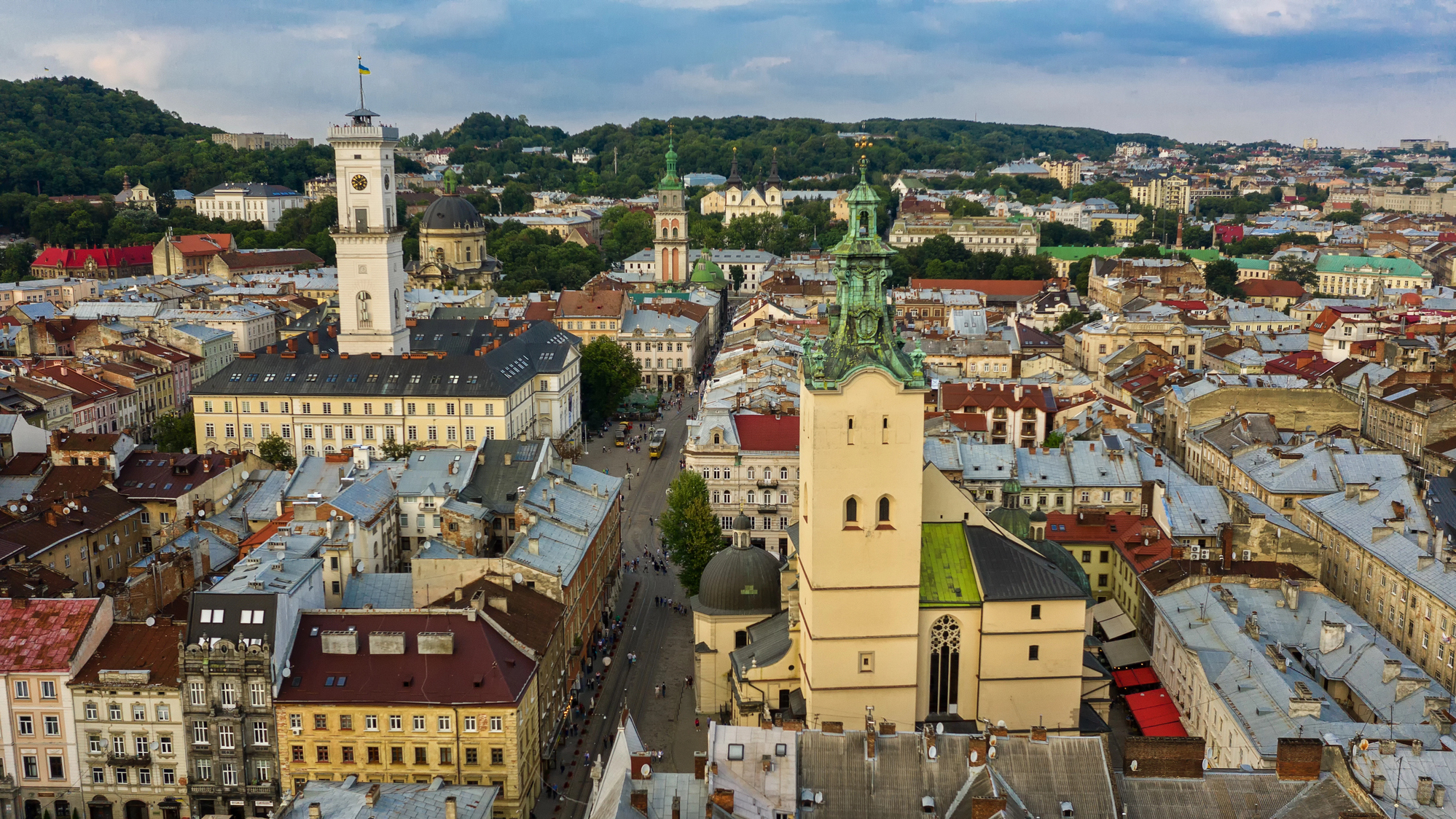
The largest contributions came from: Kyiv — UAH 4.4 billion, Dnipropetrovsk region — UAH 1.5 billion, Lviv region — UAH 1.1 billion and Kharkiv region — UAH 0.9 billion. This reflects the concentration of economic activity and payment capacity in major centers.
Impact on the budget
In 2025 receipts from the military levy amounted to UAH 163.6 billion, which, by calculations, financed defense spending for roughly 22 days. January’s growth provides a short-term resource boost, but it does not solve the need for long-term and stable defense financing.
What’s next
Experts from the budget bloc and independent analysts stress that maintaining the pace of receipts will depend on economic activity and the quality of levy administration. If both factors hold — additional funds will ease the monthly liquidity of the Ministry of Defense. If not — compensators will have to be sought in the form of international aid or reallocation of expenditures.
Question for authorities and society: whether these additional receipts will be translated into concrete reinforcements at the front depends on transparent allocation and clear spending priorities.