How to Avoid Running Out of Money When Utility Bills Are High
Winter bills often arrive between paychecks and can derail a household budget. Clear prioritization, frugal household practices, and cautious use of microloans help avoid debts and fines.

By Oleg Bazylewicz
December 2, 2025 · 2 min read
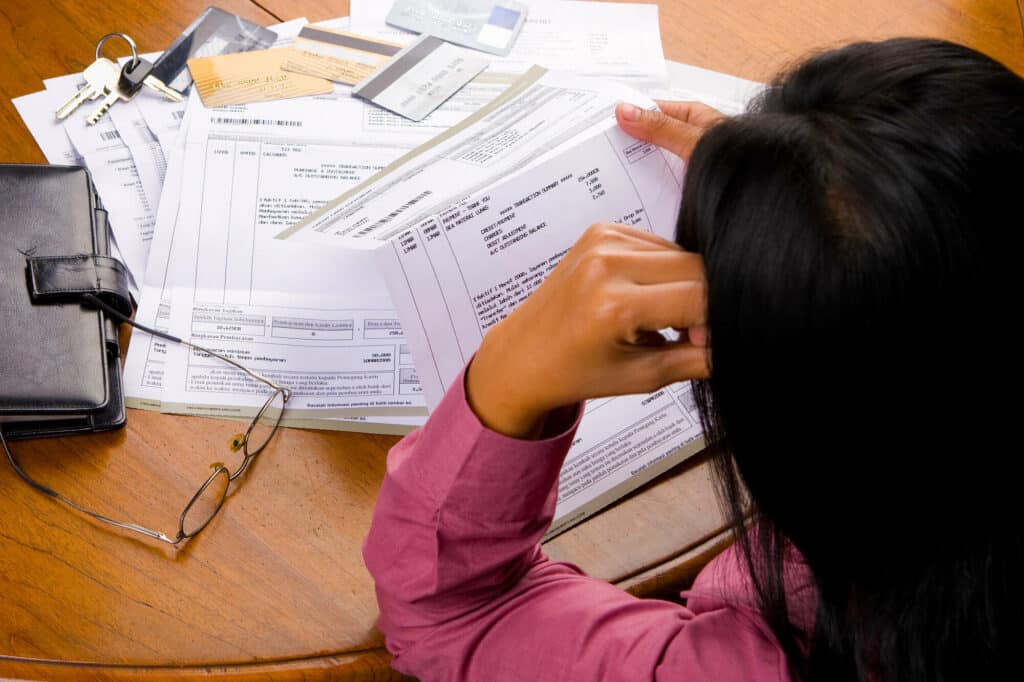
With the onset of cold weather, spending on heating, gas and electricity rises faster than people can adjust their budgets. It's especially difficult when a bill arrives before payday or before a subsidy payment. There are several practical steps that help maintain solvency and avoid accumulating debt.
Advertisement
Bills before payday
If a payment is due before money arrives, postponing it is risky — it can lead to fines or disconnections. A quick solution in such cases is a short-term online loan, which allows you to pay the bill and avoid late fees.
Before taking out credit, stick to a realistic repayment plan: borrow only the amount you can repay without strain when the expected funds arrive. Many microfinance institutions offer short terms and options adapted to the timing of incoming payments.
Payment priorities and savings
To avoid serious consequences from debt, prioritize payments by importance:
- first of all, pay bills that could lead to disconnection or large fines — most often gas and electricity;
- discuss with providers the possibility of paying in installments or deferring payment;
- watch payment deadlines — some companies allow a few days without late fees.
At the same time, review everyday expenses: track all purchases during the month to identify "leaks" — unnecessary subscriptions, impulse purchases, extra entertainment.
- cancel subscriptions and services you don't use;
- make a shopping list and stick to it to avoid spontaneous purchases;
- look for simple substitutes — cook at home, walk more, take advantage of store promotions.
Small monthly savings — even 500–700 UAH — gradually build a financial cushion for unforeseen payments.
Microloans and risks
Microfinance organizations can be a useful tool in case of a temporary cash shortfall. The key is not to overuse loans and to repay on time to avoid accumulating interest.
Before taking one out, check the terms: the total amount to be repaid, the term, and any additional fees. Avoid taking a new loan to pay off an old one — this leads to a debt spiral. With a sensible approach, a short-term loan can help you get through a difficult period and preserve financial stability.