How the "Made in Ukraine" program added nearly 1% to GDP and received a 37-billion budget for 2026
The Ministry of Economy estimates the contribution of the policy supporting domestic producers at 0.95 percentage points. It is important to understand not only the number but the mechanism — why this affects growth, jobs and the economy’s resilience during the war.

By Tetiana Suchkova-Ladik
January 2, 2026 · 2 min read
In brief: what happened and why it matters
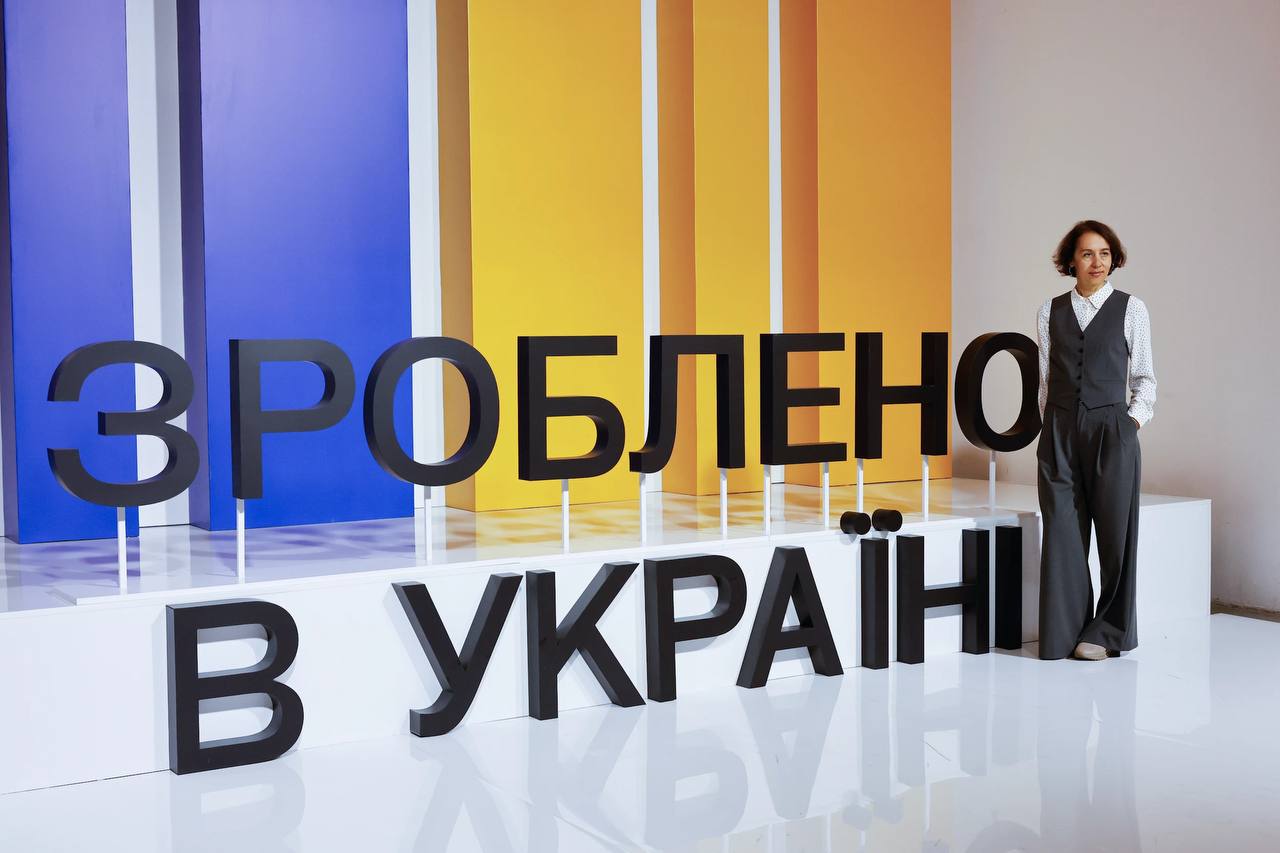
According to the Ministry of Economy, the "Made in Ukraine" policy delivered 0.95 percentage points of real GDP growth in 2025. That is almost one percent — a significant contribution to pre-war and post-war recovery efforts, demonstrating how state support for local supply chains strengthens macroeconomic resilience.
Key facts
In 2025 about 72,000 Ukrainian enterprises received state support. Businesses took advantage of the affordable lending program 5‑7‑9% — nearly 29,000 loans were issued totaling UAH 88 billion. 37 factories have been built or are under construction in industrial parks. Declared projects amount to €154 million in investments, including major agro-processing and recreational initiatives.
The partial compensation program helped farmers purchase 8,460 units of Ukrainian machinery worth UAH 5.7 billion, communities bought 695 school buses for UAH 2.7 billion, and roughly 10,000 Ukrainians became entrepreneurs thanks to the "Vlasna Sprava" microgrants ("Own Business").
"Localization, grants for processing enterprises, partial compensation of the cost of Ukrainian machinery and equipment, industrial parks, support for projects with significant investments, export instruments, and more — these measures work. In 2025, 72,000 Ukrainian enterprises benefited from state support"
— Yulia Svyrydenko, Prime Minister
Mechanics: how this translates into GDP
The effect is explained through several channels. First, government spending and subsidies create a fiscal impulse that the National Bank links to accelerated growth in the second half of the year (GDP growth in November 2025 — 5.3%). Second, localization reduces import dependence and raises the multiplier from investment in production. Third, affordable loans and grants lower entry barriers for small and medium-sized businesses, accelerating job creation and income generation in local communities.
What is included in the 2026 budget
The government maintains key programs with a budget of about UAH 37 billion. In addition, for the first time it allocates funds for insurance against war-related risks, expands the "Vlasna Sprava" program, and earmarks resources to promote exports through national stands at international exhibitions — signals not only to the domestic market but also to international investors.
Context and limitations
The social and economic impact will depend on implementation quality: the speed of administrative processes, transparency in project selection, and businesses' ability to scale up and attract private investment. Analysts note that the fiscal impulse provides a boost, but sustainable growth requires consistent reforms and long-term investments in technology and logistics.
Conclusion
The "Made in Ukraine" policy has already produced a noticeable economic result — nearly 1% of GDP in 2025 — and is reflected in the 2026 budget. The signal is clear: the state is investing in domestic value chains and entrepreneurship. Whether this approach becomes a durable model for recovery will depend on how well state support is combined with reforms, private investment, and expansion into external markets.