Japan provides first tranche under G7 mechanism — $690.8 million to Ukraine from proceeds of frozen assets
Through the World Bank, Ukraine will receive a $690.8 million grant under ERA — what this means for the country's budget, security, and recovery.

By Tetiana Suchkova-Ladik
February 6, 2026 · 2 min read
What happened
Ukraine will soon receive $690.8 million in grant financing through the World Bank under the G7 Extraordinary Revenue Acceleration for Ukraine (ERA) mechanism. The funds are formed from income on frozen Russian assets and are provided as a grant, the Ministry of Finance said.
“The funds are part of the G7 ERA mechanism totaling $50 billion. This is the last tranche from Canada under the instrument and the first from Japan.”
— Ministry of Finance of Ukraine
Details of the tranche
The $690.8 million consists of donor contributions and targeted funds. Breakdown by source:
- Japan — $544 million
- Canada — $146 million (the last tranche under the instrument)
- PEACE in Ukraine (target fund) — $0.8 million
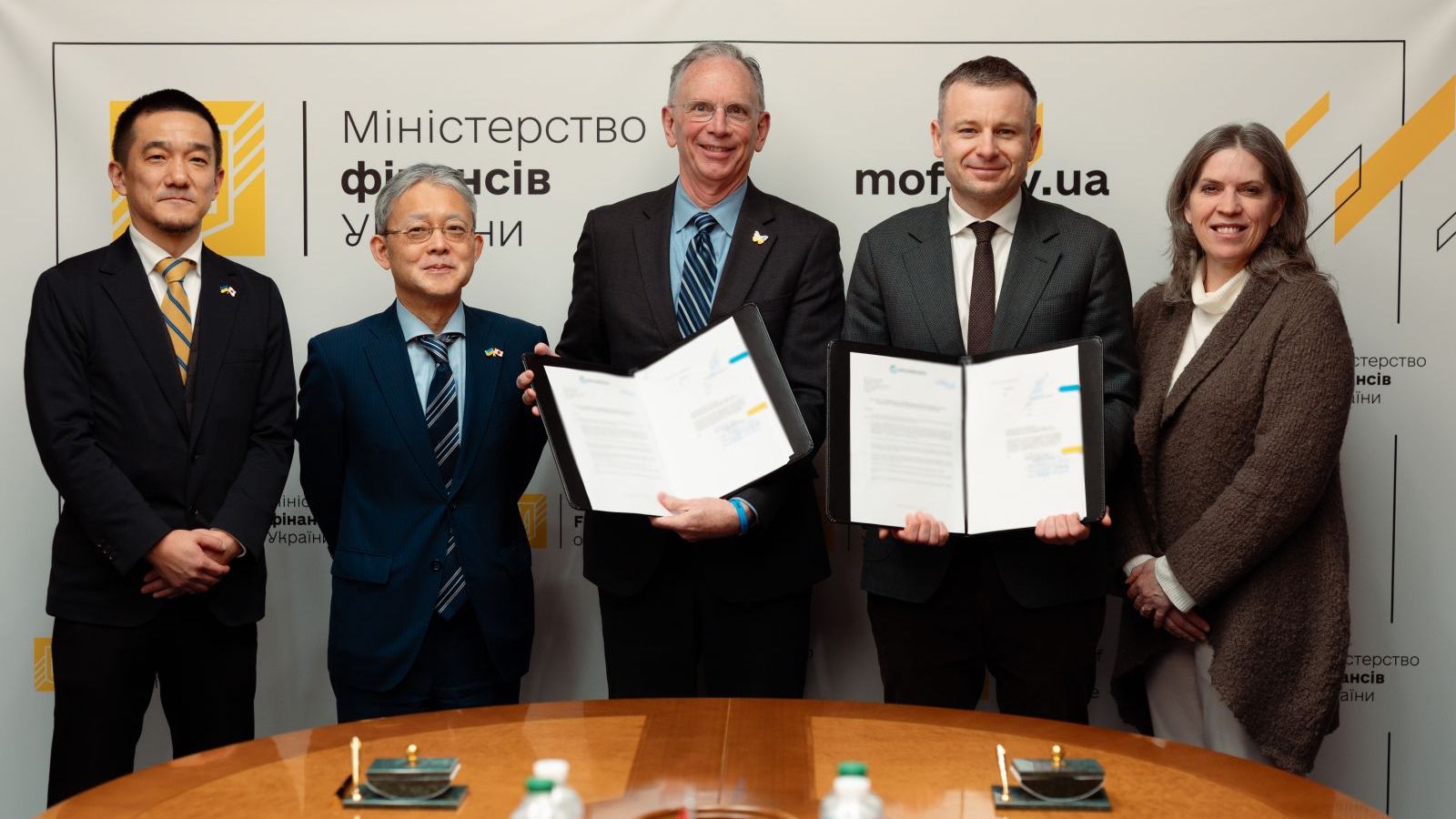
The grant was formalized through the World Bank; the signatory for Ukraine was Finance Minister Serhiy Marchenko, and for the World Bank — Regional Director for Eastern Europe Bob Som. The ceremony also included Japanese Ambassador Masabi Nakagome and Deputy Head of Mission of the Canadian Embassy Christian Roux.
Why it matters
This is not just a transfer of money. First, it is a grant — i.e., non‑repayable funds that reduce pressure on public debt and budget deficits. Second, the ERA mechanism uses income from frozen assets — a way to turn seized resources into real assistance for Ukraine.
Beyond the financial effect, the political dimension is important: Japan’s participation and the completion of Canada’s contribution demonstrate that partners continue to implement G7 commitments. Routing the funds through the World Bank enhances transparency and spending oversight — factors that are important for donor confidence and effective use for defense and recovery.
Context and risks
The G7 countries have already agreed on a mechanism amounting to about $50 billion; among the announced commitments are the EU ($18.1 billion), the US ($20 billion), Canada (C$5 billion ≈ $3.6 billion), the UK (£2.26 billion ≈ $3 billion), and Japan (471.9 billion yen ≈ $3 billion). These figures are not just numbers on paper: they shape Ukraine’s ability to plan the budget, protect infrastructure, and prepare for recovery.
At the same time, important risks remain — meeting tranche conditions, temporary delays, and political changes in donor countries. Analysts emphasize that declarations must turn into real payments and contracted financing.
Who signed and what’s next
The grant agreement was signed for Ukraine by Finance Minister Serhiy Marchenko; for the World Bank — Regional Director Bob Som. The next stage is the actual transfer of funds and their allocation in line with World Bank projects and procedures.
Summary: this is an important step for Ukraine’s financial resilience — but the impact will depend on how quickly and transparently these funds are used for security and recovery. Whether partners turn their commitments into sustained support is a question worth watching closely.



