EU Rejects Blackmail: Costa Blames Hungary — How €90bn for Ukraine Will Be Secured
The EU leaders' position draws a line under the debate: Council decisions cannot be blocked. We explain why Budapest is losing the legitimacy of its demands and which instruments will allow the promised funds to be disbursed.

By Tetiana Suchkova-Ladik
February 24, 2026 · 2 min read
Briefly
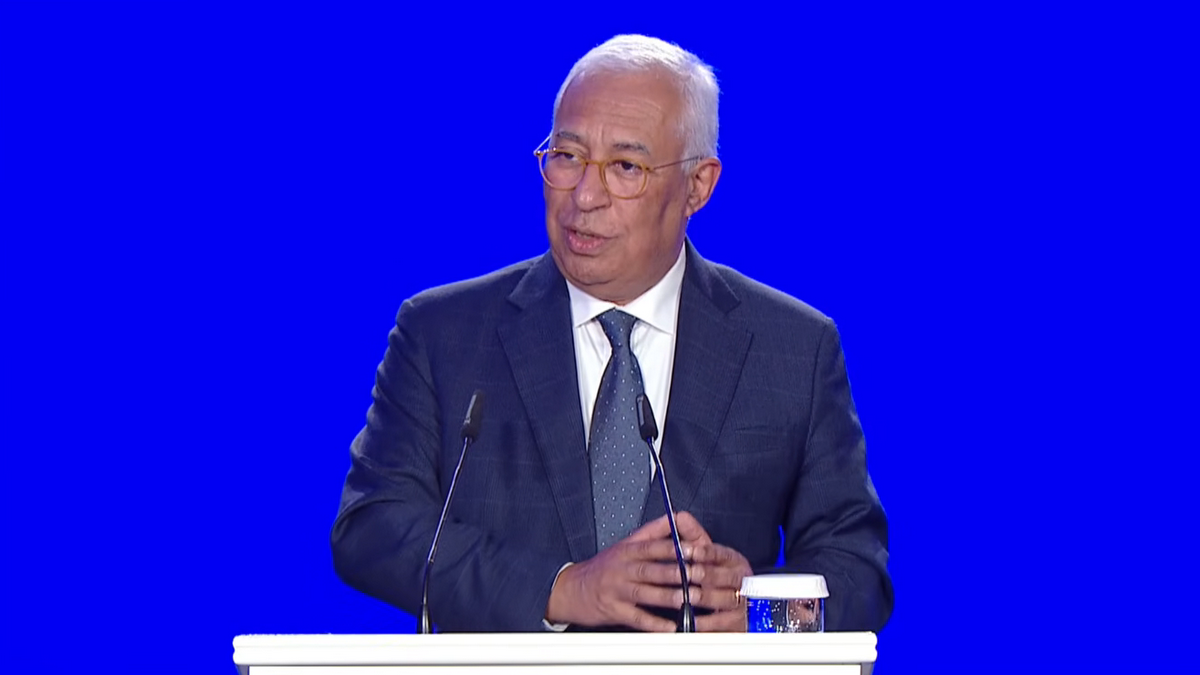
President of the European Council António Costa openly called Hungary’s actions blackmail after Budapest on 20 February blocked the allocation of €90 billion for Ukraine. The reason for the blockade is the cessation of transit of Russian oil through the "Druzhba" pipeline, which Hungary cites as the basis for its veto. At a briefing in Kyiv, Costa and President of the European Commission Ursula von der Leyen said: the EU will find a way to keep its promise.
What the leaders said
"No one can stop or block a decision taken by the European Council. Only the European Council can change its decision."
— António Costa, President of the European Council
"Let me be clear: the loan was agreed by 27 EU member states. We gave our word — and it cannot be broken. Therefore we will provide this loan one way or another. We have various mechanisms for that, and we will use them."
— Ursula von der Leyen, President of the European Commission
Why this matters for Ukraine
These €90 billion are not symbolic aid, but part of financial stabilization and support for supplies during the war. If the blockade is prolonged, it will increase risks for the budget and the investment climate. Therefore the EU’s response has not only political but also material significance: its implementation will determine how quickly Ukraine can finance defence and reconstruction.
Options to bypass the veto
The European Commission and the European Council have legal and financial instruments that allow approved decisions to be implemented even against the opposition of a single member state. These can include transfer mechanisms through EU institutions, guarantee structures, or blended loans involving private investors and international financial institutions. Costa urged the prompt use of such instruments to shrink the space for further political blackmail.
Context: why Hungary took this step
Budapest links its decision to energy interests — the suspension of transit via "Druzhba" directly affects its energy logistics. However, in the EU this is seen as a case where national interests are being used to block collective decisions, undermining the principles of solidarity and open cooperation among member states.
What experts say
Analysts in Brussels emphasize: if one member is allowed to block the implementation of Council decisions in exchange for political demands, it will create a dangerous precedent. Many in the expert community believe the EU will rely on legal mechanisms and financial constructs to preserve its reputation as a reliable partner for Ukraine.
Conclusion
The dispute over €90 billion is a test for EU institutions: do they have enough political will and technical tools to turn words into concrete payments. For Ukraine this is not a conceptual question but a practical one: it determines the tempo of funding for defence and reconstruction. Whether partners can act quickly and in a coordinated manner is the key question in the coming weeks.