EU approves €1.5bn EDIP with separate fund for Ukraine
The Council of the EU approved the EDIP programme for 2025–2027 with funding of €1.5 billion. A separate €300 million instrument is earmarked for Ukraine, while the remaining €1.2 billion will be directed to joint European defence projects.

By Oleg Bazylewicz
December 8, 2025 · 1 min read
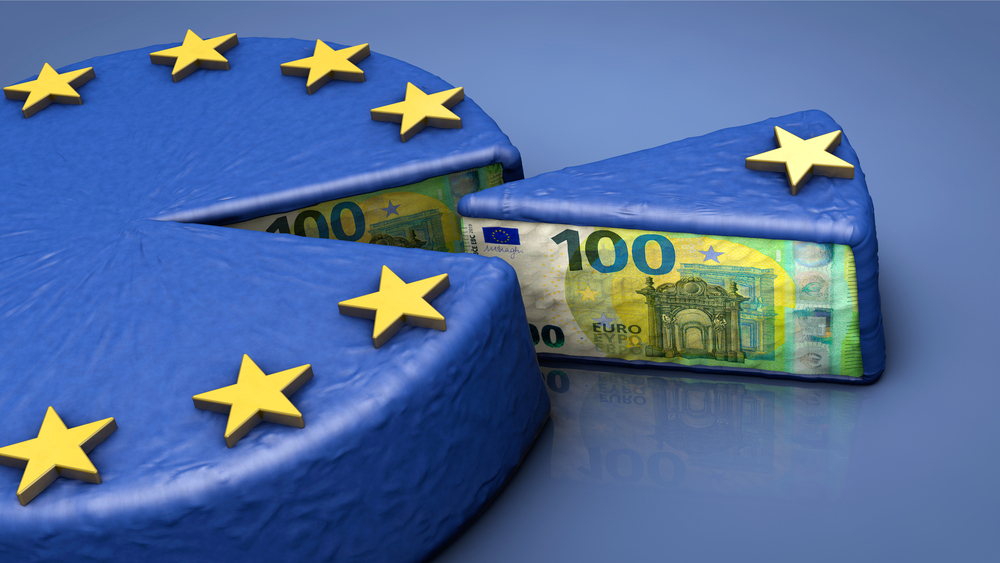
The Council of the European Union has adopted the European Defence Industrial Programme (EDIP) with a budget of €1.5 billion for 2025–2027. Part of the funds are allocated through a separate support mechanism for Ukraine in the amount of €300 million.
Budget and objectives of EDIP
EDIP aims to strengthen the community's defence capabilities by increasing the competitiveness and efficiency of the European defence-technology and industrial base. The adoption of the programme marks the completion of the legislative procedure and paves the way for its implementation.
Of the total €1.5 billion fund, about €1.2 billion will be directed to pan‑European defence projects.
Support for Ukraine
A separate mechanism of €300 million is intended for the modernisation of Ukraine's defence industry and its integration into the European defence ecosystem.
The EU will also finance joint procurement of defence equipment provided at least three countries participate, of which at least two must be EU member states.
Industrial effects and interoperability
The programme will support scaling up production capacities for critical defence products and measures to improve operational interoperability and interchangeability of items. EDIP should also ease market access for small and medium-sized enterprises, mid-cap companies and startups.
Due to Russian strikes, some enterprises have lost more than half of their production space
– Valentyn Badrak, director of the Centre for Army, Conversion and Disarmament Studies