ECB Opens Permanent Access to Euro Liquidity — What It Means for Ukraine
The ECB is expanding the EUREP mechanism and seeks to strengthen the euro’s role as a global reserve currency. The decision affects financial stability, the sanctions architecture, and the practical security of the Ukrainian economy — we break it down point by point.

By Tetiana Suchkova-Ladik
February 16, 2026 · 2 min read
Briefly
The European Central Bank has announced the transformation of the repo operations mechanism for central banks (EUREP) into a permanent tool, which will take effect in the third quarter of 2026. Under the new rules virtually all central banks worldwide will be able to have permanent access to euro liquidity; exclusions will apply only to countries subject to international sanctions or suspected of money laundering or financing of terrorism. The mechanism complements existing ECB swap lines, rather than replacing them, and allows borrowing up to €50 billion against high-quality collateral.
What the ECB said
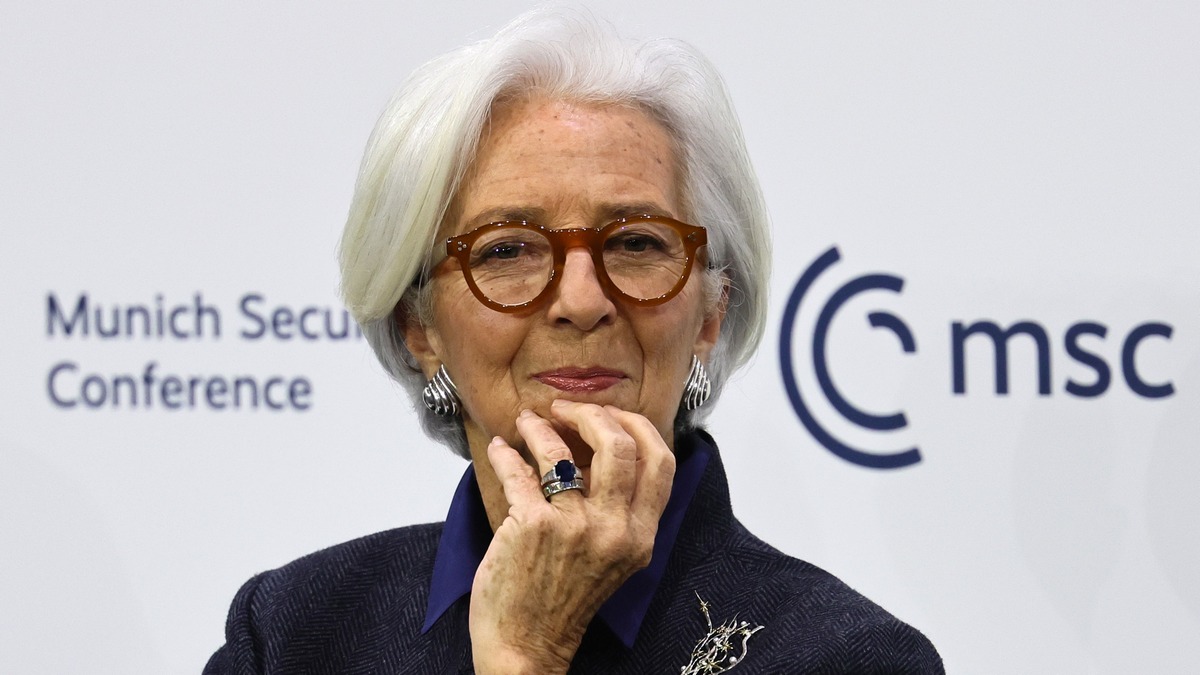
"This expanded programme provides durability: central banks outside the euro area can now rely on permanent access to euro liquidity, not just temporary credit lines. It increases scale: we are moving from regional to global coverage. Any central bank that meets the basic criteria can request access with flexibility in use. And it ensures speed: access is granted by default unless there are grounds to restrict it, which accelerates the provision of liquidity."
— Christine Lagarde, President of the ECB
Why it matters for Ukraine
Financing stability: strengthening the role of the euro reduces currency fluctuations for operations denominated in that currency — this has a direct impact on sovereign borrowing, aid and trade where the EU and partners use the euro.
Faster access in a crisis: a permanent mechanism means that in the event of currency shocks or disruptions to payment chains partner central banks can obtain euro liquidity more quickly, which increases the resilience of the region's financial system.
Political-security signal: the ECB explicitly links financial resilience with security — this is part of the European strategy to minimise external vulnerabilities in supply chains, which is important for the Ukrainian economy integrated into European markets.
Context and authoritative signals
In 2025 Bloomberg wrote about EU leaders' intentions to strengthen the role of the euro; the ECB's decision is a logical step in that strategy. The expanded EUREP is not only a technical instrument but also a signal of the EU's desire for greater financial autonomy from the dollar and to increase the euro's influence in global markets.
Risks and limitations
The system has limits: access will be blocked for legally or politically problematic jurisdictions, and the volume — up to €50 billion — does not make the ECB an "infinite bank." The changed approach to transparency (publishing only aggregate weekly volumes, not the names of users) reduces the risk of political pressure but makes external monitoring of individual operations more difficult.
There is also potential moral hazard: easier access to liquidity may reduce discipline in macroeconomic policy in some countries, so the technical selection conditions for users will be crucial.
What’s next
Expected dynamics — a trial implementation period, monitoring of demand and adjustments to conditions. For Ukraine it is important to follow the details of the access criteria and the procedure for excluding risky jurisdictions: this will determine how much the instrument will serve our financial resilience in the coming years.
Now the ball is in the partners' court: the ECB's decision creates an instrumental foundation for more resilient euro flows, but its effectiveness will be determined not by declarations but by transparent procedures and the speed of practical implementation.