European Parliament approved €90 billion for Ukraine — what it means for the budget and the front lines
The €90 billion package will cover the 2026–2027 budget deficit and fund arms purchases. We explain how and when this money could reach Ukraine — and on what conditions it depends.

By Tetiana Suchkova-Ladik
February 11, 2026 · 3 min read
In high diplomacy, quiet decisions matter more than loud statements
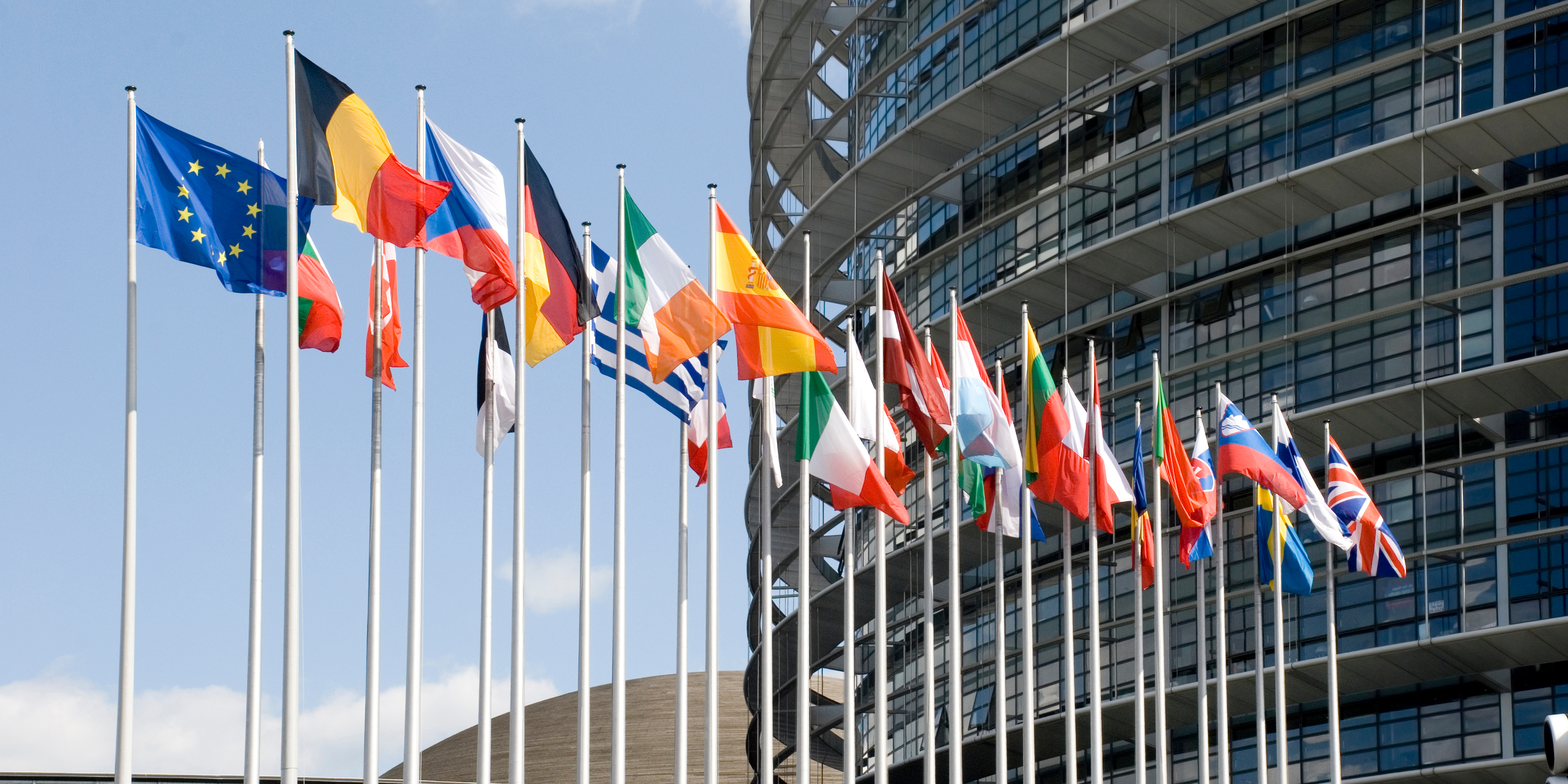
On 11 February the European Parliament approved a package of legislative acts that will allow Ukraine to receive a loan of €90 billion for 2026–2027, the European Parliament's official website reports. The decision combines budgetary support with a tool for defense procurement and creates a financial cushion for the next two years.
The essence of the decision: how €90 billion will be allocated
€30 billion is earmarked for macro-financial assistance or direct budget support through the Ukraine Facility. €60 billion is allocated for the procurement of weapons from producers in Ukraine, the EU and the countries of the European Free Trade Association (Iceland, Liechtenstein, Norway). If certain products are urgently unavailable in these countries, exceptions are foreseen for purchases from third countries.
“I am grateful to the European institutions and to everyone who worked persistently on this decision for ensuring a rapid legislative process that, we hope, will allow Ukraine to receive the funds already in April.”
— Serhii Marchenko, Ukraine's Minister of Finance
Where it matters: budget, industry, security
For the average Ukrainian three things are important: stability of payments (pensions, salaries, social programmes), the state's ability to finance defense, and support for local producers. The combination of budgetary aid and arms procurement means that part of the funds will go to cover the state budget deficit for 2026–2027, and part will be directed to orders at Ukrainian defence enterprises, preserving jobs and strengthening supply chains.
Conditions, timelines and risks
For the European Commission to make the first payment at the start of the second quarter of 2026, a further formal decision by the EU Council is required. Payments are tied to a financial strategy to be prepared by Ukraine and assessed by the European Commission — final approval must be made by the EU Council.
The conditions of financial assistance include adherence to democratic principles, the rule of law and the protection of human rights, including minority rights — meaning continuation of anti-corruption reforms and strengthening institutional capacity. This is the political and technical price of money: the disbursement will depend on the success of the reforms.
How the debt will be repaid
The loan is provided through EU joint borrowing (without the participation of the Czech Republic, Hungary and Slovakia) on the capital markets. Debt servicing is planned to be covered from the EU's annual budgets — approximately €1 billion in 2027 and around €3 billion annually from 2028. Repayment of the principal by Ukraine is envisaged from possible reparations from Russia; until then this is Ukraine's position as an additional argument in negotiations on long-term financing.
What this decision really means
Analysts and the diplomatic community see two signals in the package: first, the EU's readiness to support Ukraine's financial sustainability at a time convenient for it; second, a pragmatic approach — mixing budgetary assistance with a mechanism to support domestic and regional defence industry. This is not “free” money: it comes with clear political and technical conditionality that reinforces the demand for internal reforms.
What’s next
The next steps are a formal decision by the EU Council, approval of the financial strategy by Ukraine and its review by the European Commission. How quickly and well these procedures are completed will determine whether the funds truly arrive in the second quarter of 2026. The ball is now in the partners' court: declarations must turn into signed contracts, and Ukraine must use the opportunity to stabilise its budget and strengthen its defence potential.
Source: the official website of the European Parliament; European Council decision (December). Analytical assessments — from the EU expert community and independent economic centres.