EU to add Russia to list of countries at high risk of money laundering
The EU will add Russia to the list of countries with an increased risk of money laundering and terrorist financing, forcing banks to tighten transaction checks. FATF suspended Russia’s membership, but had not previously placed it on its blacklist.

By Tetiana Suchkova-Ladik
December 3, 2025 · 1 min read
EU decision
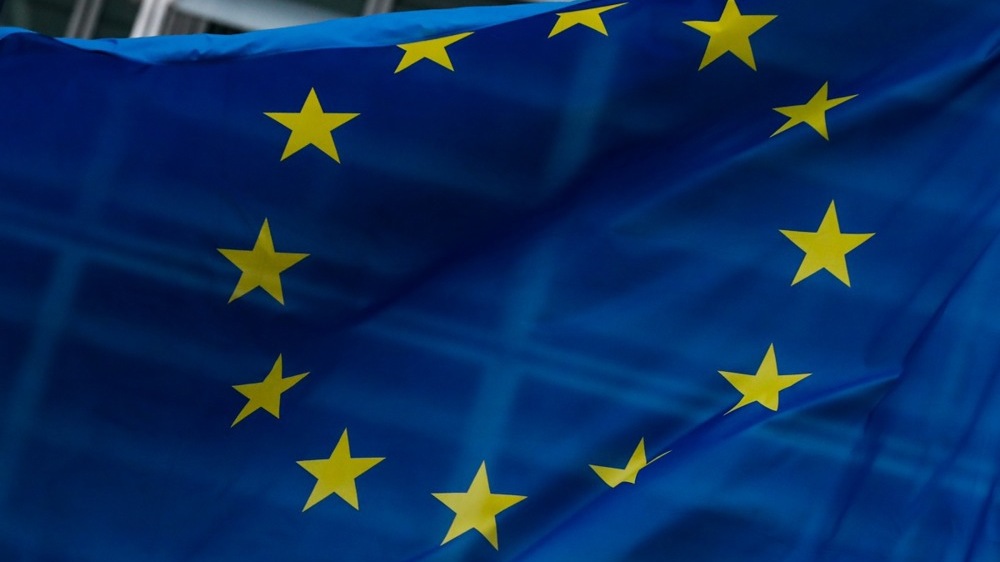
The European Union has decided to include Russia on the list of countries with an increased risk of money laundering and terrorist financing.
After the start of the large-scale invasion, the Financial Action Task Force (FATF), the international anti-money-laundering body, temporarily suspended Russia's participation but did not place it on the blacklist, despite Ukrainian arguments; certain BRICS member states influenced that outcome.
The European Parliament repeatedly urged the European Commission to respond, and the EU's executive body committed to completing the review by the end of 2025.
The draft decision, which is to be added to the list, will require financial institutions to strengthen controls over all transactions and will force banks that have not yet implemented measures to further reduce risks.
Ukraine's position
- Kyiv has repeatedly insisted on adding Russia to the FATF blacklist, pointing to Moscow's financial and military cooperation with countries considered high-risk, notably North Korea (DPRK) and Iran, as well as the financing of private military formations such as the "Wagner" group and their unlawful actions.
- The Ministry of Finance of Ukraine has said that an alliance with the DPRK should be grounds for the Russian Federation's definitive inclusion on the FATF blacklist.
- In June the EU added Monaco and Venezuela to the list; at the same time it removed the United Arab Emirates, Gibraltar, Barbados, Panama, Jamaica, the Philippines, Senegal and Uganda.