"It's gone": Malaysia cancels deal with the U.S. — a signal to Asia and a risk for Ukraine
Malaysia was the first to withdraw from a trade agreement with the Trump administration after the U.S. Supreme Court's decision. We examine why this matters for the region and how changes in U.S. tariff policy could hit Ukrainian exports.

By Tetiana Suchkova-Ladik
March 18, 2026 · 2 min read
What happened
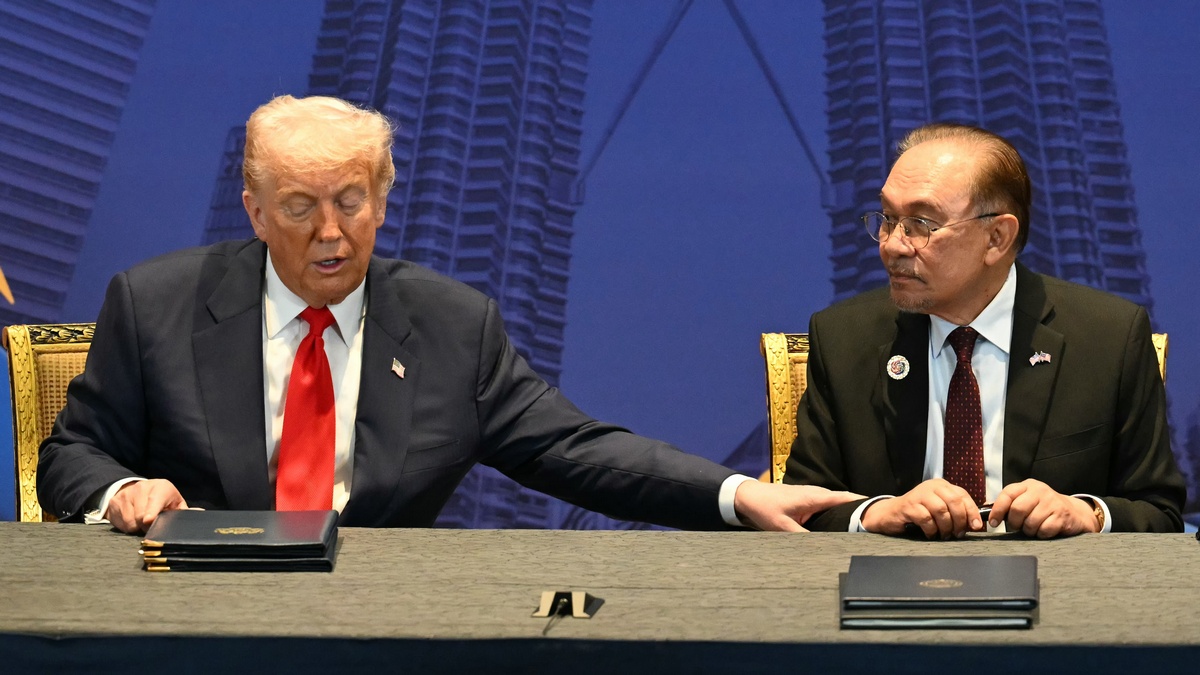
According to Nikkei, Malaysia became the first country to officially withdraw from the 2025 trade deal with the administration of Donald Trump.
"The agreement is not on pause. It no longer exists, it is invalid"
— Johari Abdul Ghani, Malaysia's trade minister
The deal envisaged a gradual reduction of tariffs on Malaysian exports from 25% to 19%. After a U.S. Supreme Court decision that found Trump's "reciprocal" tariffs unlawful, imports are now subject to a single 10% rate (which came into effect on February 24, 2026), so the original purpose of the agreement has been significantly weakened.
Why this matters
The explanation is simple: if a deal is meant to offset differentiated rates, and the legal basis has changed — the deal loses its economic rationale. Separately, attention should be paid to the tools that remain in Washington's arsenal: Section 301 of the Trade Act of 1974 allows tariffs to be imposed against the practices of other countries; Section 122 gives the president the right to temporarily raise tariffs (to up to 15%) over balance-of-payments concerns without prior approval from Congress, but only for a limited period — up to 150 days. Donald Trump himself has already announced his intention to raise the rate to 15%, but there is no official order yet.
Regional reaction and risks
Indonesia and Cambodia, which have not yet ratified similar deals, are reviewing their arrangements. Washington is urging partners to adhere to what was signed, while the Trump administration is preparing the legal basis for new tariffs under Section 301. Analysts warn that Malaysia's rejection could trigger a chain of reviews and deepen uncertainty in Asian supply chains.
"In a sensitive matter like Malaysia–U.S. trade relations, the minister should be more cautious in his comments"
— an anonymous adviser to the Malaysian government
What this means for Ukraine
For Ukraine, the U.S. Supreme Court decision could prove disadvantageous. If the administration raises the single global tariffs to 15% (as Trump has talked about), Ukrainian exporters would be among those hit hardest by higher barriers in the U.S. market. This is not just about tariff numbers — it's about the competitiveness of Ukrainian goods in a key market and the speed with which Ukraine can diversify its logistics and customers.
Short forecast
Malaysia's actions are a marker: member countries of Asian supply chains will begin adjusting their risks. Kyiv should closely watch two things: whether Trump will issue an order to raise the rate to 15% and whether a wave of refusals/reviews will spread to other partners. Practical advice for the government — accelerate the plan to diversify export routes and seek bilateral guarantees for critical sectors that depend on the U.S. market.
While the parties exchange legal arguments, the question remains simple: will American declarations turn into real tariffs — and how quickly will Ukraine be able to adapt?