Arrest of former MP Ruslan Demchak in Germany: what it means for OVDP manipulation cases
A former MP suspected of manipulating bonds and laundering more than UAH 20 million has been detained at the request of the Office of the Prosecutor General. We examine the next steps in the case and why it matters for the government debt market.

By Tetiana Suchkova-Ladik
January 5, 2026 · 2 min read

Details of the detention
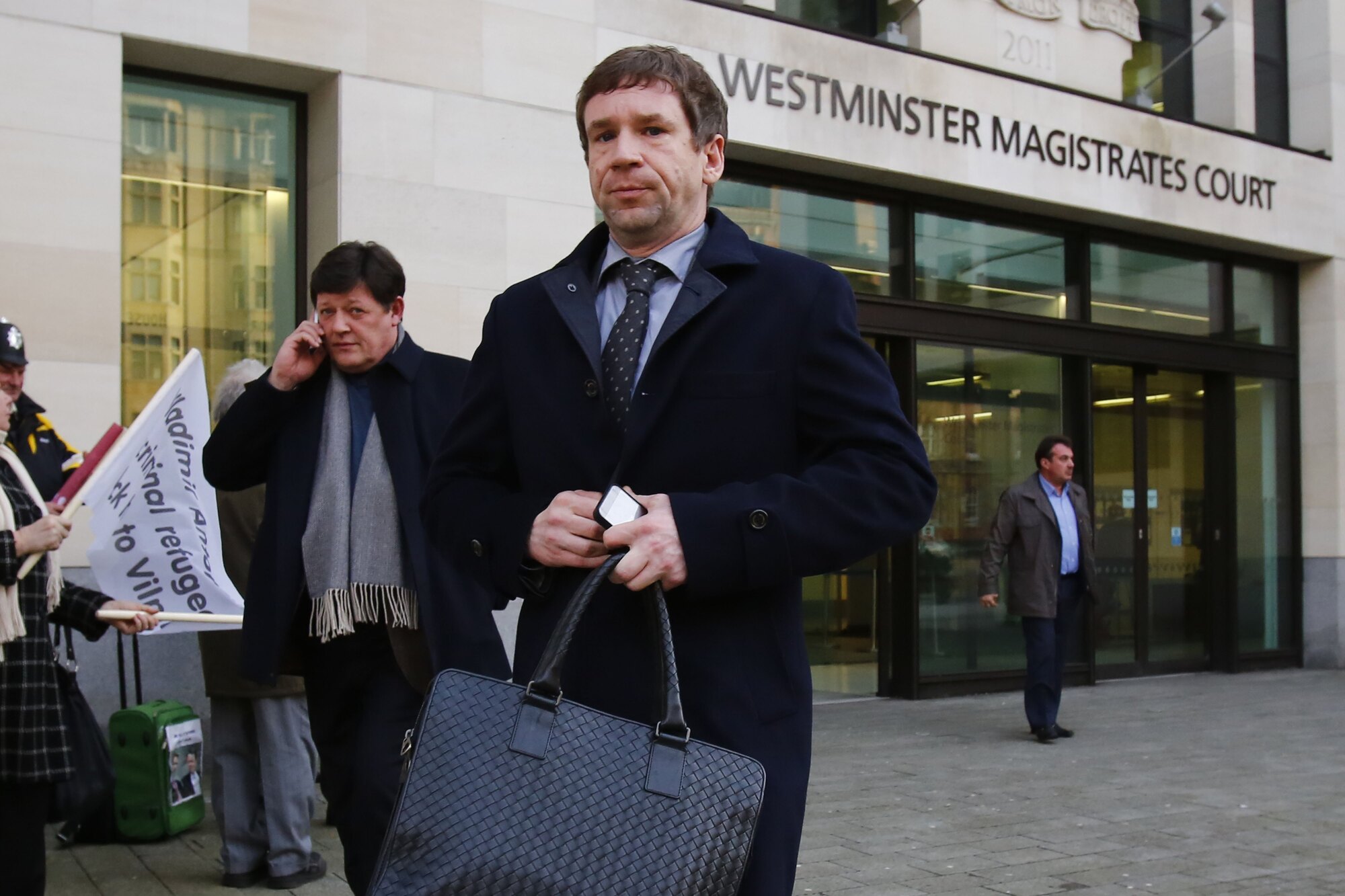
Former People's Deputy of the VIII convocation Ruslan Demchak was detained in Germany on 3 January 2026 at the request of the Office of the Prosecutor General. The OPG press service reported this. The detention took place within the framework of a criminal proceeding being investigated by the State Bureau of Investigation under the procedural guidance of the OPG.
What he is accused of
Demchak is suspected of aiding manipulation of the stock market and of legalization (money laundering) of proceeds obtained by criminal means (Part 5 of Art. 27, Part 2 of Art. 222‑1, Part 3 of Art. 209 of the Criminal Code of Ukraine). According to the investigation, in 2017, through sham transactions in domestic government bonds he obtained an artificial investment profit of over UAH 20 million, which was subsequently laundered.
“After the completion of the extradition procedure, the indictment against the former people's deputy will be sent to court for trial on the merits.”
— Press service of the Office of the Prosecutor General
Chronology and procedural status
In August 2023 Demchak was notified of suspicion. In October 2024, at the prosecutor's request, a court ordered pretrial detention as a preventive measure, and due to his being abroad he was placed on an international wanted list. In October 2025 a court authorized a special pretrial investigation. The pretrial investigation is now complete; the materials are open for the defense to review.
Context: banks and examinations
The case is accompanied by a number of facts that add significance: in 2018 NABU checked Demchak for possible illicit enrichment; he formerly owned Erde Bank, which was declared insolvent in 2012; in November 2025 the National Bank of Ukraine declared RVS Bank insolvent, a bank that was also linked to Demchak.
Why it matters
This case is not merely a personal story. The investigation and court proceedings could affect investor confidence in the domestic government bond market, the reputation of regulators, and the overall transparency of the sovereign debt market. Effective investigation and transparent adjudication are key elements for restoring confidence, which influences the state's borrowing costs and economic stability.
The simplified extradition procedure can take at least three months; after its completion the indictment will be forwarded to court for trial on the merits.
What comes next
The next steps are extradition, trial, and assessment of the evidentiary base. This is a test for the law‑enforcement system: whether it can prove high‑profile cases without political influence and delays. If it can, that will send a signal to the market and citizens that violations in the financial sector have consequences.
Whether the detentions and criminal proceedings will lead to systemic change in the management of public finances and accountability remains a question for the courts, regulators, and society.