Detention of Oschadbank cash couriers in Hungary: ECB warns of risk to the euro's status — what it means for Ukraine
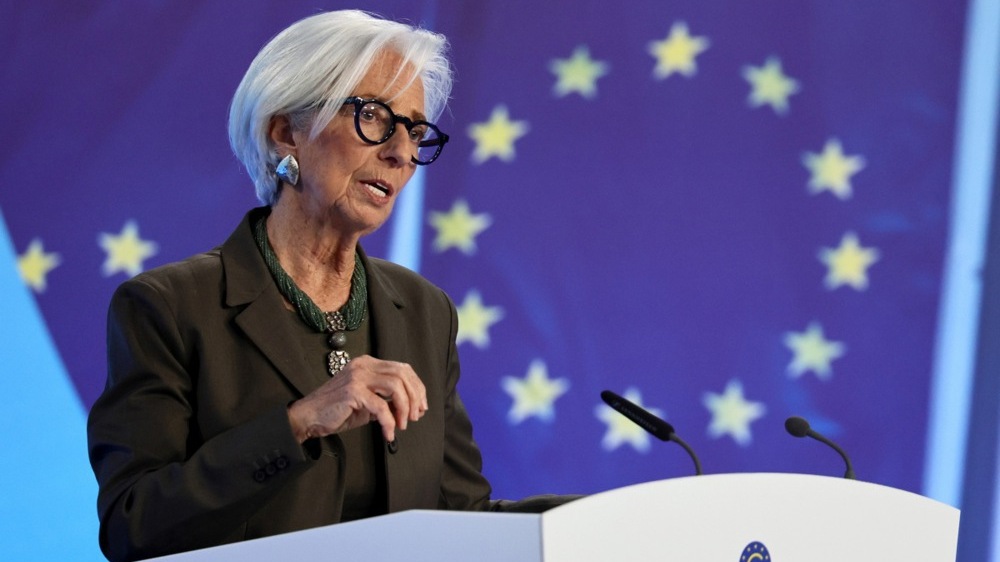
Christine Lagarde intends to raise the case of the seizure of $40 million, €35 million and 9 kg of gold with authorities in Budapest and Brussels. This is no longer just about cash — it’s about confidence in the euro and the security of financial corridors for Ukraine.

By Tetiana Suchkova-Ladik
March 26, 2026 · 2 min read
ECB's stance: language of influence, not panic
European Central Bank, citing a Financial Times report, says the incident involving the detention of Oschadbank cash-in-transit personnel and the seizure of funds and bullion could undermine confidence in the euro as an international currency. This is a response to an appeal by the National Bank of Ukraine (NBU), which raised the issue with EU institutions.
"Shares the NBU's assessment and clearly emphasized the risks this situation creates for the euro's status as an international currency."
— ECB spokesperson
What happened
Hungarian authorities returned Oschadbank's armored vehicles but refuse to return the seized funds: $40 million, €35 million and 9 kg of gold. After the incident, Oschadbank temporarily suspended the import of cash into Ukraine.
The reason for the route is not a whim but a forced measure: due to the closure of airspace following the full-scale invasion in 2022, Ukrainian banks have had to transport foreign currency by land, often via Austria and Hungary.
Why this matters for Ukraine and the EU
It's not only a matter of the amount. When a state or bank proves unable to guarantee the secure transit of cash, counterparties' trust is eroded and logistical risks to financing defense and critical infrastructure increase. For Ukraine, which partly depends on physical currency imports, this is a direct blow to the operational capacity of banks and state payments.
For the EU the risk is broader: if foreign partners begin to doubt the safety of their assets, it could reduce the euro's attractiveness in international settlements — a point the ECB has highlighted.
Political context and diplomatic risks
The incident comes ahead of the Hungarian elections (April 12), where a change of power is possible for the first time in 16 years. LIGA.net has detailed scenarios of escalation in relations between Budapest and Kyiv. Political motivations make the return of funds not only a technical but also a political task.
What next — the diplomatic front and practical steps
ECB President Christine Lagarde plans to raise the issue with authorities in Budapest and institutions in Brussels. The next steps that matter for Ukraine include official requests for the return of assets, a transparent investigation, and guarantees of secure routes for cash-in-transit operations.
Analysts note that if ECB statements are backed by concrete pressure mechanisms (diplomatic notes, transaction blocks, coordination with other central banks), this could become a test of the EU's ability to protect its partners' financial corridors.
Conclusion
This incident is a direct challenge to the security of financial chains and the euro's reputation. Declarations from the ECB are important, but the question is whether they will translate into practical pressure sufficient to secure the return of funds and restore confidence. The ball is now in the partners' court: will their actions prove as reliable as their words?