Zhevago in Paris notified of suspicion: what this means for banking accountability and investors
On March 19 in Paris, Kostyantyn Zhevago was served with a notice of suspicion in the case of the bank "Finance and Credit." We examine why this matters for confidence in the financial sector and what comes next for businesses and depositors.

By Tetiana Suchkova-Ladik
March 19, 2026 · 2 min read
What happened
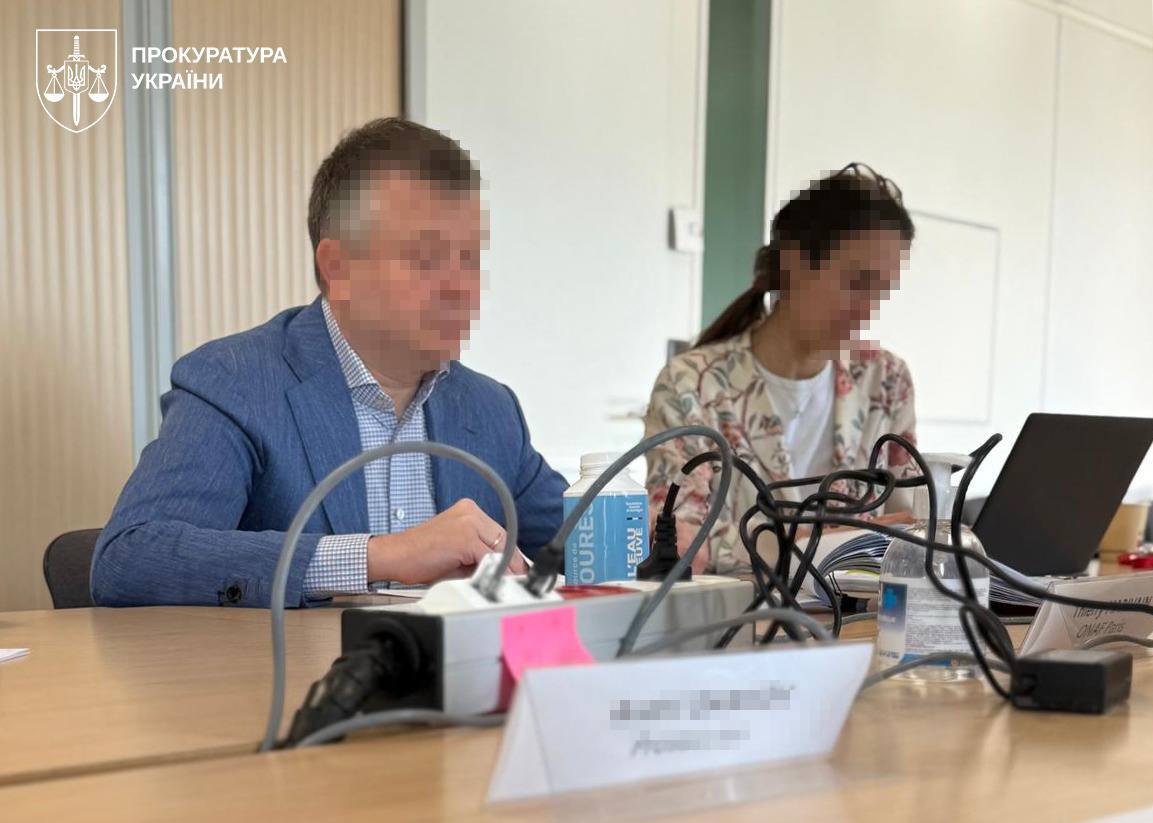
On March 19 in Paris, businessman Kostyantyn Zhevago personally received a notification of suspicion in the case of the bank "Finance and Credit". The delivery was reported by Prosecutor General Ruslan Kravchenko and the press service of the DBR. The National Bank of Ukraine declared the bank insolvent back in 2015.
"It is essentially about the use of the bank's financial resources, including depositors' funds and refinancing from the National Bank of Ukraine, for the private interests of the beneficiary"
— Ruslan Kravchenko, Prosecutor General
The charges
The DBR accuses him of organizing a scheme for the systematic withdrawal and laundering of the bank's funds through a network of controlled companies and foreign financial institutions. As of the investigation, damages of more than UAH 519 million have been established. The DBR had already announced the case in May 2024.
Context: who and for what
Zhevago is an entrepreneur who twice attempted to avoid extradition from France and who served as a lawmaker for six convocations. He is also accused of other offences: NABU accuses him of bribery, and the DBR — of extracting funds from F&C. Corporate assets — the pharmaceutical holding "Arterium" and companies associated with Ferrexpo — have been placed at risk of bankruptcy; the developments within the corporation were reported, in particular, by LIGA.net.
Why this matters to the reader
This case has several dimensions that affect public interest: first, the accountability of owners for the consequences to depositors and taxpayers; second, the impact on the investment climate — foreign and local investors are closely watching whether institutions are functioning; third, the potential social consequences for employees of enterprises linked to Zhevago's business.
Analysts note that the outcomes of this case will affect not only the fates of specific companies but also send a signal to other major owners: whether the state's response will be systemic rather than situational.
Positions and possible further developments
Zhevago himself describes the notification as political persecution. Investigative actions included an interrogation in the relevant procedural status. Possible next steps include: transfer of materials to court, assessment of the evidentiary base, international cooperation regarding assets and, if necessary, extradition procedures.
Summary
This is not only the criminal story of one businessman — it is a test for the system: whether institutions will be able to carry complex financial cases through to convictions and restore trust in the financial sector. Whether the suspicions will turn into convictions, and how that will affect investment behaviour, are questions that the next stage of the investigation and the court process will answer.