Indians Are Coming to Ukraine to Work — But They're Leaving More Often Than Arriving
SBGS statistics record a persistent negative migration balance for Indian citizens in Ukraine. Russia simultaneously issued them three times more work permits — and both countries are competing for the same labor force.

By Tetiana Suchkova-Ladik
June 10, 2026 · 2 min read
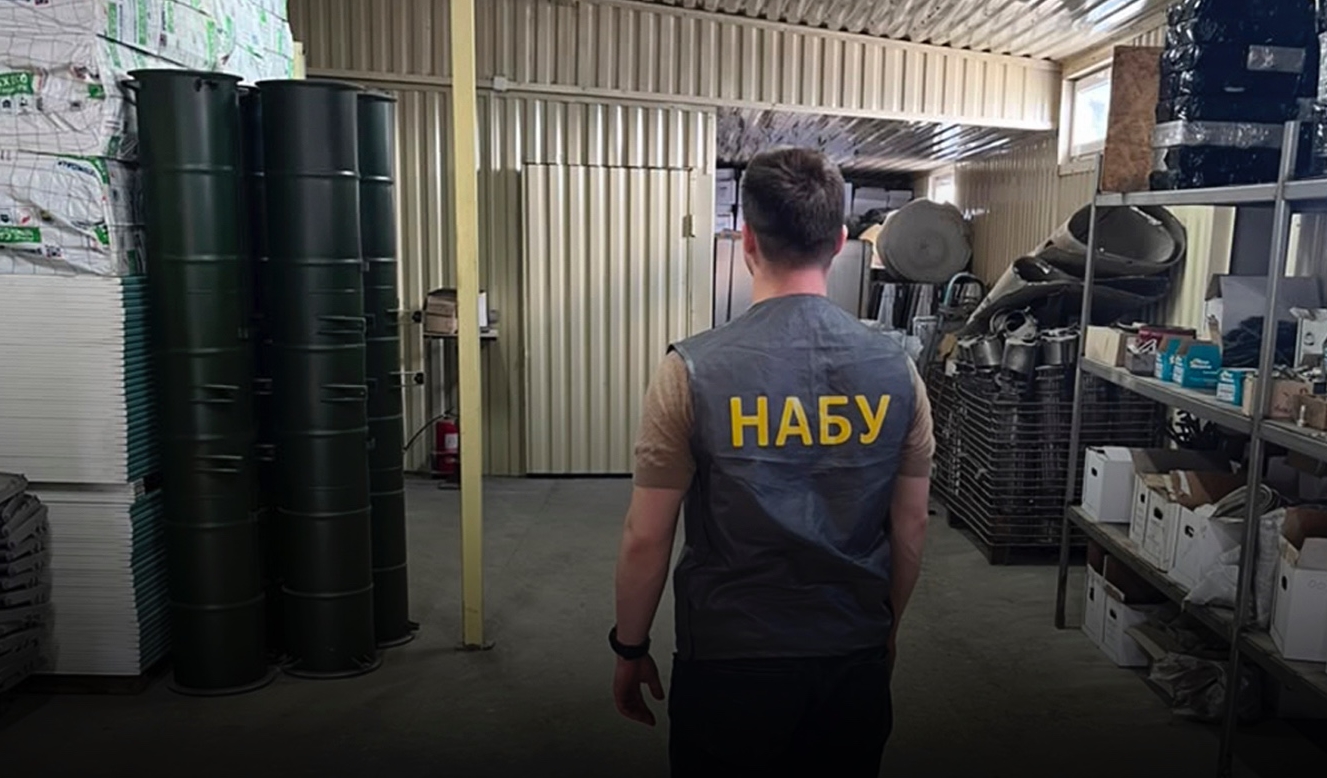
Throughout 2024–2025, Indian citizens entered Ukraine less frequently than they left: in 2024, there were 7,800 entries versus 9,500 exits; in 2025, 8,300 versus 8,800. Data from the State Border Guard Service in response to LIGA.net's inquiry shows a consistent negative balance that contradicts the official narrative about growing labor migration from South Asia.
Permits exist — but people are leaving
The real picture is more complex than simple "arrivals and departures." The State Migration Service issued 817 work permits to Indian citizens and 558 to Bangladeshi citizens from January 1 to December 15, 2025. This means that some people whom the SBGS registers as "entries" don't actually stay to work: they cross the border in transit or return after a brief visit.
Simultaneously, as reported by Kyiv Independent citing four Ukrainian business associations, Ukrainian companies are actively recruiting workers from India, Bangladesh, Pakistan, and Nepal for seasonal and low-skilled positions in manufacturing, construction, and logistics. In Zakarpattia, a woodworking factory hired 150 people from Bangladesh; in Cherkasy, foreign crews are already conducting road construction.
Competition from Russia
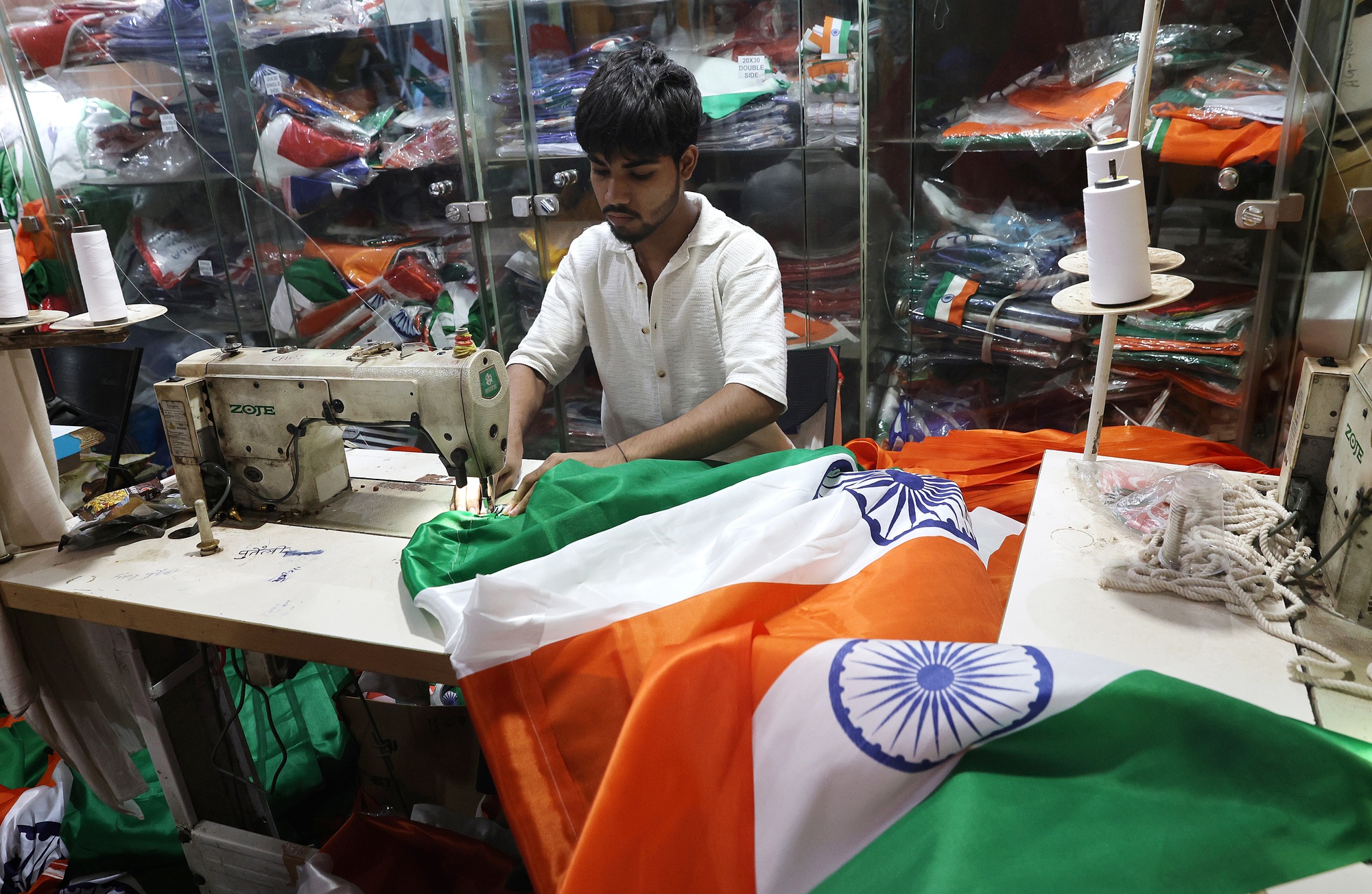
The problem extends beyond domestic demand. According to data from The Moscow Times, in 2025 Russia issued 56,500 work permits to Indian citizens — 56% more than in 2024. Bangladesh received 9,300 permits, three times the previous year's figure. Both countries are pulling the same workforce in opposite directions.
"Since the end of 2024, a consistent trend has formed of Ukrainian entrepreneurs appealing to the embassy in India regarding work visa arrangements — primarily for Bangladeshi and Indian citizens"
— from an analysis on Censor.net, author Yuri Svitlyk
Why the balance is negative
There are several possible explanations, and they are not mutually exclusive:
- Rotation: The same people make multiple trips — entry and exit are counted separately, but this doesn't necessarily mean different individuals.
- Refusals or disappointment: Some arrivals don't find the promised work or face legal difficulties and return.
- Transit: Ukraine is used as a stopover on the way to the EU rather than as a final destination.
- Competition from Russia: Higher wages or simpler logistics redirect the flow in another direction.
The SBGS doesn't provide a precise answer — the service registers border crossings, not motives. The Migration Service, in turn, only counts those who have already obtained a permit.
Demographic arithmetic in wartime
By various estimates, Ukraine has lost between 6 and 8 million working-age people through emigration and mobilization. The construction, agriculture, and logistics sectors are openly discussing labor shortages. Labor migration from South Asia is not a PR project but a pragmatic business response to market reality.
However, as official permits are measured in hundreds and border crossings in thousands, the question remains open: if Ukraine doesn't offer a transparent and quick mechanism for legalizing labor migrants, won't Russia — or EU countries — intercept the very flow that the Ukrainian labor market is counting on?