Apache Downed, IRGC Strikes 21 Bases: How One Helicopter Over Hormuz Blew Up US-Iran Ceasefire
The downing of an American AH-64 Apache over the Strait of Hormuz on June 9 — whether by an Iranian drone or as a result of a collision — triggered a chain of mutual strikes that destroyed the ceasefire agreement concluded just four days earlier.

By Tetiana Suchkova-Ladik
June 10, 2026 · 2 min read
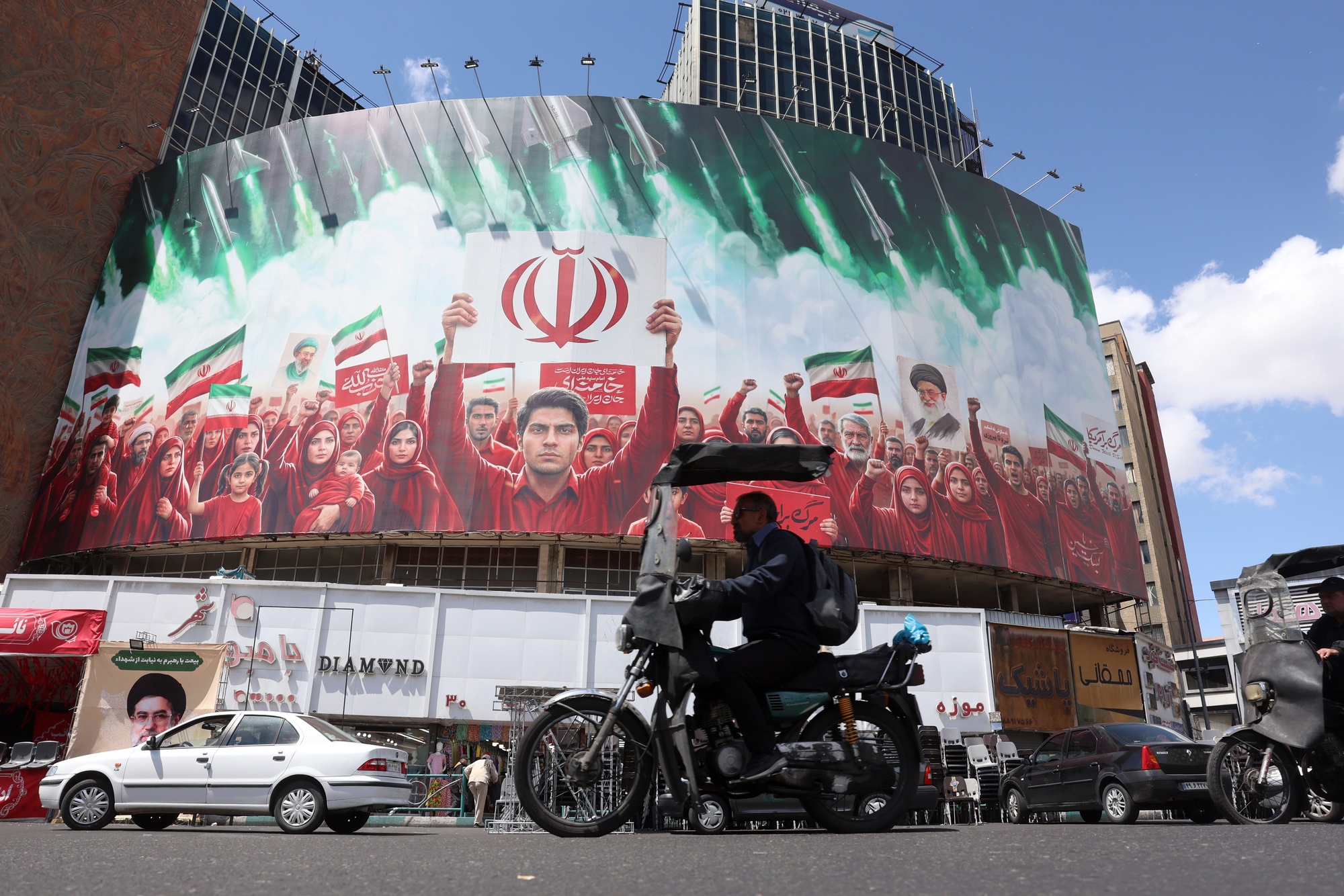
On the night of June 10, the U.S. Central Command (CENTCOM) delivered precision strikes on Iranian facilities near the Strait of Hormuz — air defense systems, ground control stations, and radar positions. The strikes were in response to the downing of an American Army AH-64 Apache helicopter that was patrolling international waters on the night of June 9. The strikes were carried out by U.S. Air Force and Navy fighter jets.
The crew of two pilots survived. They were rescued by an unmanned maritime vessel Saronic Corsair — a 24-foot unmanned boat from CENTCOM's Task Force 59. The operation took approximately two hours; according to CBS News, this was the first combat rescue mission of its kind in U.S. Army history.
Reason for Downing — Still Undetermined
Admiral Brad Cooper, commander of CENTCOM, refused to comment on the circumstances of the incident following a closed briefing for senators. American officials, according to NBC News, lean toward the version of an Iranian drone, but do not rule out an unintentional mid-air collision. Iran, through international intermediaries, stated that it did not take responsibility for the destruction of the helicopter. CENTCOM's investigation is ongoing.
"Last night the Iranians shot down one of our high-tech Apache helicopters while patrolling over the Strait of Hormuz. Both pilots are safe. However, the United States is obligated to respond to this attack."
— Donald Trump, Truth Social
Iran Responded With Strikes on 21 American Bases
Within hours of the completion of the American operation, the IRGC announced strikes on 21 targets — American air and naval bases in Kuwait, Bahrain, and Jordan. Targets included the Ali Al-Salem base in Kuwait, the headquarters of the U.S. Fifth Fleet in Bahrain, and an air base in Azraq (Jordan). Iranian military also reported the destruction of an American MQ-9 Reaper drone over the Iranian city of Jam.
In its statement, the IRGC called the American strikes "aggression under a false pretext of a helicopter accident" — emphasizing that official Tehran did not acknowledge its involvement in the Apache downing.
Context: Ceasefire in Question
The exchange of strikes occurred four days after Trump announced nearly completed negotiations regarding the extension of an American-Iranian ceasefire for 60 days — an agreement reached in April following a 12-day conflict between Iran and Israel. That same week, Israel and Iran had already exchanged strikes, putting the fragile ceasefire on the brink of collapse.
- The U.S. has maintained a naval blockade of Iran since April 13; AH-64s were used to enforce it and protect commercial vessels
- According to Admiral Cooper, last month Apache helicopters destroyed six Iranian speedboats that threatened commercial ships
- Iran did not provide details on damage from American strikes on facilities near Bandar Abbas
After Iran's response, Trump stated: "They struck — we knocked them out," while simultaneously confirming that the ceasefire has not formally been cancelled. According to him, if the agreement does not hold, Iran will "see a big flash."
Should CENTCOM's investigation confirm the intentional destruction of the Apache by Iranian forces, the administration will face a choice between escalation and negotiations for a new ceasefire — at a moment when the Strait of Hormuz, through which approximately 20% of the world's oil trade passes, has effectively become an active combat zone.