Senegal is no longer just "under threat" — it has hidden debts and is rejecting its rescuer
While Citi predicts three African defaults, Senegal is doing everything to accelerate its own: rejecting IMF restructuring, receiving a "junk" bond rating, and struggling to explain €650 million in hidden debt.

By Tetiana Suchkova-Ladik
April 16, 2026 · 3 min read
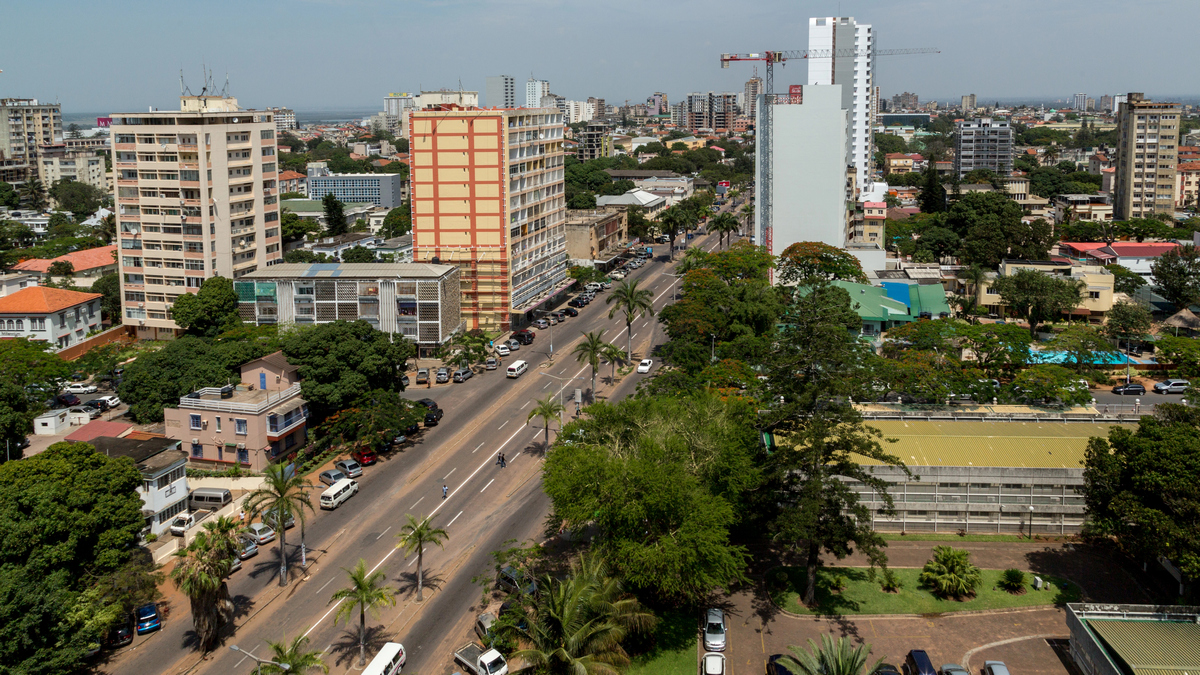
Three African countries — Senegal, Mozambique, and Malawi — may declare default within two years. Reuters reports this assessment from the chief economist for Africa at Citi, David Cowen. But if for Mozambique and Malawi this is primarily a shock from oil prices, then Senegal is a separate, louder story.
Four defaults in five years — and back to square one
Since 2020, on a continent of 54 states, Ghana, Zambia, Ethiopia, and Chad have declared default. Ethiopia remains in default — negotiations with bondholders have essentially reached a dead end. Ghana and Zambia restructured their debts, but at the cost of cutting spending and slowing growth. Now Citi is looking at the next trio.
The common denominator for all three is vulnerability to oil price shocks. As noted by Boston University in a March 2026 study, it was precisely countries — net importers of oil with already elevated spreads — that suffered most from price volatility related to Iranian risks.
Senegal: hidden debts, rejected assistance, downgraded rating
The situation in Senegal goes beyond macroeconomics. In November 2024, it emerged that the country had significantly underreported its public debt — confirmed by the IMF. Later, undisclosed agreements worth €650 million came to light. The current government blames hidden debts on its predecessors.
"Restructuring would be a disgrace for Senegal"
— Prime Minister Ousman Sonko, according to Reuters
In response to the IMF's proposal to conduct restructuring — that is, to exchange old debts for new ones with lower rates and longer terms — Prime Minister Sonko publicly refused. As a result, in November S&P downgraded Senegal's rating to CCC+, deep into the "junk" zone, with a warning of further downgrades if the government does not refinance its debts.
According to JPMorgan, the spread of Senegalese bonds over U.S. Treasuries exceeded 1,077 basis points — a level considered a marker of debt distress. For comparison: the 1,000 b.p. threshold is the point at which markets begin to price in default.
Mozambique and Malawi: old wounds, new pressures
Mozambique entered the current crisis with baggage: in 2016, a scheme of hidden loans worth $2 billion was exposed, after which donor support collapsed and the country plunged into a debt crisis. In 2024, a London court ordered structures linked to the deal to pay Mozambique over $825 million plus compensation for future obligations of ~$1.5 billion — but the money has not been received yet, and debts are already pressing.
Malawi — one of the poorest countries in the world — is critically dependent on imported energy and external borrowing. The oil price shock hits the balance of payments directly.
What this means for the rest of the continent
- Chain reaction of mistrust: each new default raises borrowing costs for neighboring markets, even if their own fiscal situation is stable.
- Lack of transparency as a systemic problem: the World Bank in its 2025 report found that only 25% of low-income countries disclose data at the individual loan level — although the share of those publishing any data has risen to 75%.
- IMF as the only lifeline: most vulnerable countries in 2026 are due to pay precisely multilateral creditors and the IMF — which means the Fund will decide who gets room to maneuver.
Senegal's paradox is that the country simultaneously needs the IMF and publicly rejects its conditions. If the parties do not reach a compromise on debt sustainability assessment by the end of 2025, the spread will most likely hit new highs, and the question of default will transform from a forecast into a schedule.