Delayed Addendum: How U.S. Justice Department Permanently Closed Trump's Tax Cases — And Why They Kept It Quiet
The Justice Ministry signed a one-page document that prohibits the IRS from ever auditing Trump's past tax returns, those of his family, and his companies. The document emerged the day after a major peace agreement and was not mentioned during Senate hearings.

By Tetiana Suchkova-Ladik
May 20, 2026 · 2 min read
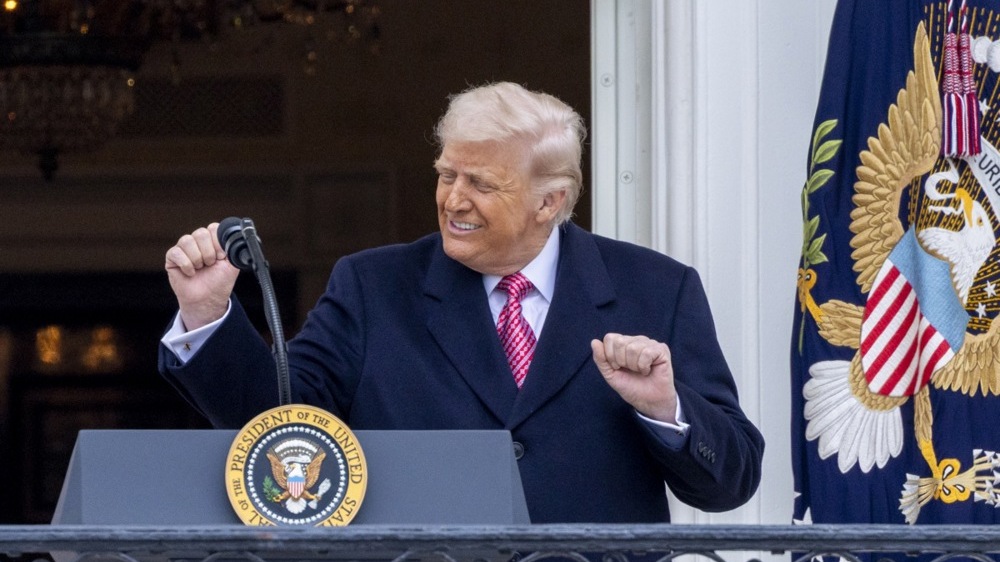
A civil lawsuit for $10 billion — formally over the leak of tax returns to the media — concluded with a settlement that extended far beyond the stated subject matter of the dispute. However, the most substantial part of the agreement appeared not on Monday, but on Tuesday, hidden behind a hyperlink in a press release.
What Was Signed
On Monday, May 19, 2026, the Department of Justice and Trump's lawyers filed a motion with the federal court in Miami to dismiss the lawsuit. In return, the DOJ committed to creating an "Anti-Weaponization Fund" worth $1.776 billion — to compensate those who claim they suffered persecution from previous administrations. According to Trump's defense attorney and current Acting Attorney General Todd Blanche, this is "standard settlement practice."
The next day, an addendum appeared — also signed by Blanche. According to CNN, the federal government in it is declared "permanently barred from prosecuting or conducting any audits or examinations" of Trump's tax returns filed before the settlement date. The document's scope extends to the president himself, his family, Trump Organization, trusts, and related entities — essentially covering all IRS audits that were in process at the time of signing.
What Remained Behind the Scenes During Hearings
Blanche testified before the Senate committee that same morning — and did not mention the addendum at all. According to Politico, the document was embedded as a hyperlink in Monday's press release rather than released separately. DOJ representative Natalie Baldasarre explained this as "standard practice for mutual releases of claims," adding that the agreement does not block audits for returns filed after the signing date.
"Democrats will fight every element of this corrupt deal, but regardless of the outcome — future administrations and IRS leadership should consider this directive completely void."
Senator Ron Wyden, ranking member of the Senate Finance Committee
Legal Dispute: Does the DOJ Have Such Authority
Wyden argues that the addendum violates federal law, which prohibits executive branch officials from interfering with IRS audits. Congressman Jamie Raskin called the entire fund "an illegal political slush fund" and pointed to violations of the separation of powers principle: Congress did not vote on any of these appropriations. The federal judge in Miami closed the case the same day, giving no opportunity for other parties to challenge the DOJ's actions in court.
- Plaintiffs: Donald Trump, Donald Trump Jr., Ivanka Trump, and Trump Organization.
- Basis of lawsuit: Leak of returns to The New York Times and ProPublica by a former IRS employee.
- Fund: $1.776 billion from the DOJ budget — without a separate Congressional vote.
- Protection of addendum: Applies to all returns and audits before the settlement date; returns filed after are not covered.
What Comes Next
Democrats announced legal challenges, but there is currently no mechanism to force a review of a settlement closed by a federal court. Legal experts, according to CNN, disagree on whether anyone has locus standi to file a lawsuit against this expanded settlement.
If federal courts determine that no outside party has the right to challenge such settlements between the president and his subordinate agency, the precedent will allow any future administration to close its own legal risks in the same manner.



